Supporting Those Who Serve: Everyday Ways to Stand Beside Veterans, Service Members, and Their Families
Supporting Veterans Beyond the Uniform: Healing, Belonging, and the Power of Presence
If you’re a veteran seeking confidential support or resources for mental health or emotional well-being, visit VA Mental Health Services for immediate help and professional care.
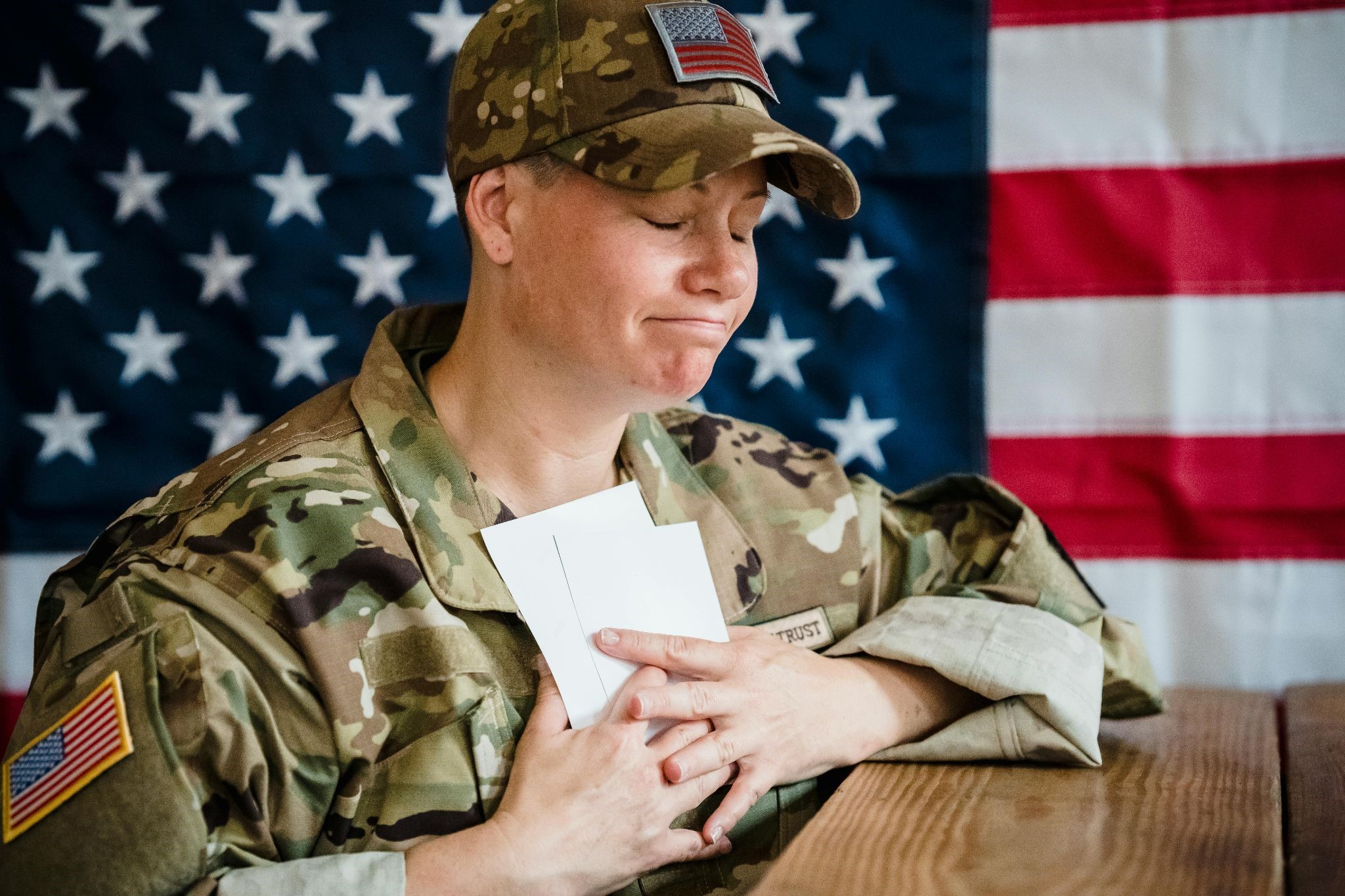
War ends on paper long before it ends in a person. For veterans, the return to civilian life can feel like stepping into a world that’s moved on without them. Families adjust to absence, then to presence again, each shift carrying its own weight. And the rest of us—friends, neighbors, coworkers—often want to help but don’t know where to begin. Support doesn’t always mean grand gestures or organized drives. Sometimes it’s smaller, quieter, more personal: the kind of care that meets people where they are and stays long after the parade’s over. These are some of the ways any of us can begin to show up—consistently, meaningfully, and humanly.
Creating Safe Spaces for Honest Conversations
At the start of healing is trust, and that trust begins with listening that costs nothing but presence. Veterans often carry emotions that feel too heavy for everyday spaces, and family members, unsure how to help, sometimes retreat instead. That’s where confidential counseling for service members plays an irreplaceable role—offering rooms where stories don’t echo beyond the walls. The counselors at these Vet Centers, many veterans themselves, understand the culture of service and the quiet language of trauma. Supporting or even mentioning these programs in your community tells veterans they can speak freely again. Healing begins when words stop being dangerous.
Cultivating Resilience Through Mindfulness
Sometimes healing hides in something as small as a breath. The benefits of mindfulness for veterans reach beyond meditation—they create a language of steadiness for both veterans and civilians. Practicing stillness trains the body to release the constant readiness that combat ingrains. When friends or family join veterans in learning mindfulness, it builds mutual calm and empathy without needing words. Shared breathing, steady awareness, and attention to the present moment can do what speeches never will: remind everyone that peace begins inside before it ever exists outside.
Guidance from the Intuitive
In moments where the traditional paths to healing feel too narrow, some veterans find grounding in places that speak to the unseen. Seer Sensitives offers an alternative source of guidance—not in contradiction to clinical care, but as a complement to it. Their intuitive approach can help veterans rediscover structure when life feels unmoored, offering clarity through conversation, ritual, or reflection. For those who carry emotional or spiritual weight that’s hard to articulate, these sessions can serve as a soft place to land. When a veteran begins to trust their own inner compass again, often it’s because someone showed them how to listen for it.
Rebuilding Belonging Through Community
It’s easy to thank someone for their service; it’s harder to make sure they still feel part of something afterward. Belonging doesn’t rebuild itself—it needs places, people, and repetition. Local efforts like chapters supporting military families anchor that sense of continuity. Their gatherings—book clubs, childcare swaps, community dinners—remind veterans and spouses that their stories don’t have to stay confined to other veterans. A neighbor who learns the names of the kids whose parent is deployed can become part of that family’s safety net. Real support isn’t found in slogans; it lives in consistent invitation.
Standing Beside Those Facing PTSD
There’s a deep kind of patience required to love someone through post-traumatic stress. No slogans, no pep talks—just understanding that trauma doesn’t follow a calendar. The barrier-free PTSD treatment for veterans offered through The Headstrong Project removes the common walls of cost and stigma that keep so many from therapy. What they model is revolutionary in its simplicity: unconditional access. For civilians, one of the most powerful acts of solidarity is normalizing therapy itself—saying openly that treatment is strength, not failure. Empathy isn’t passive; it’s showing up and staying even when healing moves slow.
Recognizing and Preventing Crisis Moments
A crisis doesn’t always shout—it often hides behind “I’m fine.” Veterans can go from coping to collapsing in the quiet between check-ins, and that’s why mental wellness programs tailored for veterans matter so much. They pair clinical care with community accountability, so no one falls through the cracks unnoticed. As a friend or colleague, you don’t have to be a therapist to make an impact: a text, a shared meal, or a calm presence can interrupt despair before it deepens. Awareness, not heroics, is what keeps someone anchored to tomorrow.
Meeting Real-World Needs with Practical Support
Long after ceremonies end, the practical struggles remain—bills, housing, recovery, and the endless logistics of rebuilding a life. Financial and physical injuries often compound, and that’s where organizations providing assistance for injured service members step in. Their work is the unglamorous kind of heroism: adaptive housing, family grants, transportation help. They turn gratitude into groceries, ramps, and working wheels. For civilians who want to make their thanks tangible, these direct-impact efforts prove that patriotism isn’t a feeling; it’s a function that keeps people moving forward.
Strengthening Families and the Next Generation
Military children grow up fluent in change—new schools, new towns, long absences. That flexibility is admirable, but it comes with invisible costs. Supporting programs that foster youth resilience in military children helps them transform uncertainty into confidence. These initiatives teach emotional vocabulary and coping tools that ripple through entire households. When kids learn they’re allowed to express frustration or sadness, parents learn how to listen without guilt. A resilient child steadies the family; a supported family steadies the veteran.
Gratitude is not the end of support—it’s the ignition. Every thank-you note, every shared meal, every hour volunteered threads into the same truth: appreciation must have motion. Whether you’re writing letters to deployed soldiers, mentoring someone through a career change, or quietly helping a military spouse run errands, your actions weave community back together. Supporting veterans isn’t charity; it’s reciprocity. Every small act narrows the distance between those who served and those who didn’t, until service becomes something all of us carry together.
Discover a world of spiritual growth and personal transformation with Seer Sensitives. Explore our unique products and services designed to nurture your soul and enhance your life’s journey!