
Windowsill Herb Garden: Grow Your Own Apothecary in Five Steps
Growing your own windowsill herb garden is one of those decisions that starts as a practical one and quietly becomes something much larger. What begins as a pot of lavender on a balcony railing has a way of becoming a working apothecary, a living pharmacy grown in your own soil, tended by your own hands, free from the pesticides and genetic modifications that have worked their way into so much of what lines the shelves of modern wellness stores.
You do not need a backyard, a green thumb, or years of experience to grow your own windowsill herb garden. You need a few containers, a decent patch of light, and the willingness to pay attention to something living. What follows are five herbs that are forgiving enough for a complete beginner, powerful enough for a seasoned practitioner, and well suited to the limited square footage of a balcony ledge or kitchen windowsill.
Why growing your own windowsill herb garden changes everything
There is a particular relationship that develops between a person and a plant they have grown from seed or cutting, one that no amount of sourcing from a reputable supplier can replicate. Knowing the soil your lavender grew in, the water your calendula drank, and the light your lemon balm reached toward in the morning connects you to that plant’s medicine in a way that is hard to put into words but impossible to ignore once you have experienced it. This is not romanticizing gardening. This is the foundation of traditional herbalism, the understanding that the grower and the plant are in relationship, and that relationship matters.
Beyond the spiritual dimension, growing your own herbs is also a practical act of reclaiming sovereignty over what goes into your body. The commercial supplement industry operates with surprisingly little oversight, and the gap between what a label claims and what a product contains has been documented repeatedly by independent researchers. A pot of fresh lemon balm on your windowsill contains exactly what it says it does, grown exactly the way you chose to grow it, without the fillers, the irradiation, or the supply chain uncertainty that comes with every bottle purchased from a shelf.
The five herbs worth starting with
Choosing which herbs to grow first is less about what is fashionable and more about what will actually serve your daily life. The five herbs below were chosen because they are genuinely useful across a wide range of needs, hardy enough to survive the learning curve every new herbalist goes through, and well suited to container growing in small spaces. Each one has centuries of documented traditional use behind it, and each one will reward consistent, attentive care with medicine you can actually use.
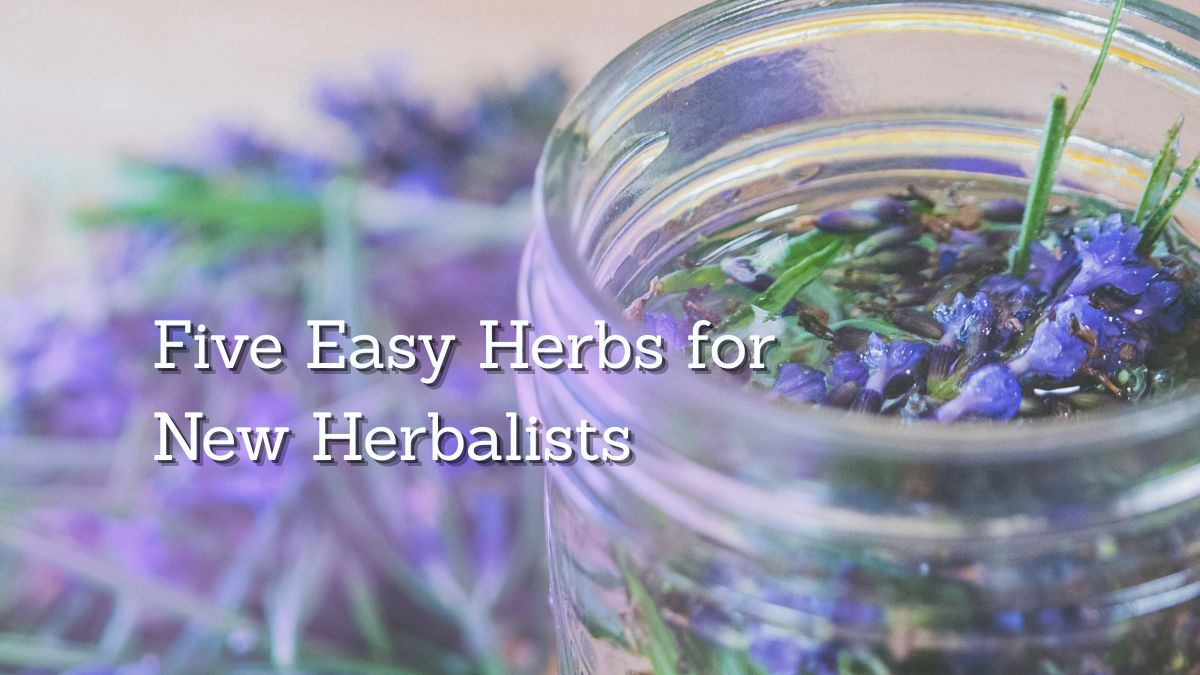
Lavender is perhaps the most widely recognized herb in the western world, and for good reason. A nervine and anxiolytic that has been used for centuries to support sleep, calm an overactive nervous system, and ease tension headaches, lavender thrives in a sunny windowsill with well-draining soil and minimal watering. It prefers to be slightly dry rather than wet, making it one of the most forgiving herbs for beginners who have a tendency to overwater. Harvest the flower spikes just before they fully open for the most potent medicine, and dry them in small bundles hung upside down in a ventilated space.
Lemon balm is the herb most herbalists wish someone had introduced them to sooner. A member of the mint family, it grows with enthusiasm in containers, tolerates partial shade, and produces an abundance of lemony, nervine-rich leaves that can be brewed fresh into tea, tinctured in alcohol, or used in an oxymel with raw honey and apple cider vinegar. Lemon balm is particularly well regarded for its support of the nervous system, its antiviral properties, and its ability to lift a low mood without the stimulating edge that some other herbs carry. It is, in the truest sense, a plant that meets you where you are.
Calendula is a plant of extraordinary generosity. Planted in a container with full sun and regular deadheading, it will flower continuously from spring through the first frost, producing bright orange and yellow blossoms that are as medicinally potent as they are beautiful. Calendula’s primary gifts are anti-inflammatory and vulnerary, meaning it accelerates the healing of skin, mucous membranes, and damaged tissue, making it invaluable in salves, infused oils, and poultices. It is also deeply lymphatic, supporting the body’s own clearing processes in a way that has made it a staple of traditional herbalists across multiple continents for centuries.
Peppermint earns its place in every beginner’s windowsill herb garden not only because it is virtually impossible to kill but because its applications are wide enough to make it genuinely indispensable. Digestive complaints, tension headaches, respiratory congestion, and low energy are all well within peppermint’s documented range, and the fresh leaves brewed into a simple tea deliver those benefits with a directness and immediacy that no capsule can match. Grow it in its own container, as it will enthusiastically colonize any shared space, and harvest regularly to encourage fresh, potent growth throughout the season.
Holy basil, known in Ayurvedic tradition as Tulsi, is the adaptogen that belongs in every home regardless of how spiritual or secular the household considers itself. A powerful support for the adrenal system, the immune response, and the body’s overall capacity to navigate stress, Tulsi has been revered in India for over three thousand years and is increasingly studied by western researchers for its remarkable breadth of action. It grows happily in a sunny container, prefers warmth, and produces aromatic leaves that can be brewed fresh, dried for later use, or tinctured for a more concentrated preparation. For anyone building a home apothecary in 2026, Tulsi is not optional.
Getting your windowsill herb garden started
The most important thing a new herbalist can do is begin before they feel ready, because the feeling of readiness in this particular practice tends to come from the plants themselves rather than from any amount of prior research. Start with two or three of the herbs above rather than all five at once, choose containers with adequate drainage, use a quality organic potting mix rather than standard garden soil, and place them where they will receive the most consistent natural light available to you. Water when the top inch of soil is dry, feed lightly with an organic liquid fertilizer every few weeks during the growing season, and harvest regularly rather than all at once to keep the plants producing.
The windowsill herb garden you build this season will look different from anyone else’s, shaped by your light, your climate, your hands, and the particular needs your body is bringing to this work right now. That is exactly as it should be. Herbalism has never been a one-size prescription handed down from above; it has always been a conversation between a person and the plants available to them, conducted in the specific conditions of a specific life. Starting that conversation, even in a single pot on a single windowsill, is one of the most genuinely sovereign acts available to anyone who has decided it is time to take their health back into their own hands.
If you are ready to deepen that conversation and want guidance navigating the world of plant medicine, intuitive healing, and holistic wellness, schedule a session today at SeerSensitives and let us help you find the path that is already growing toward you.