
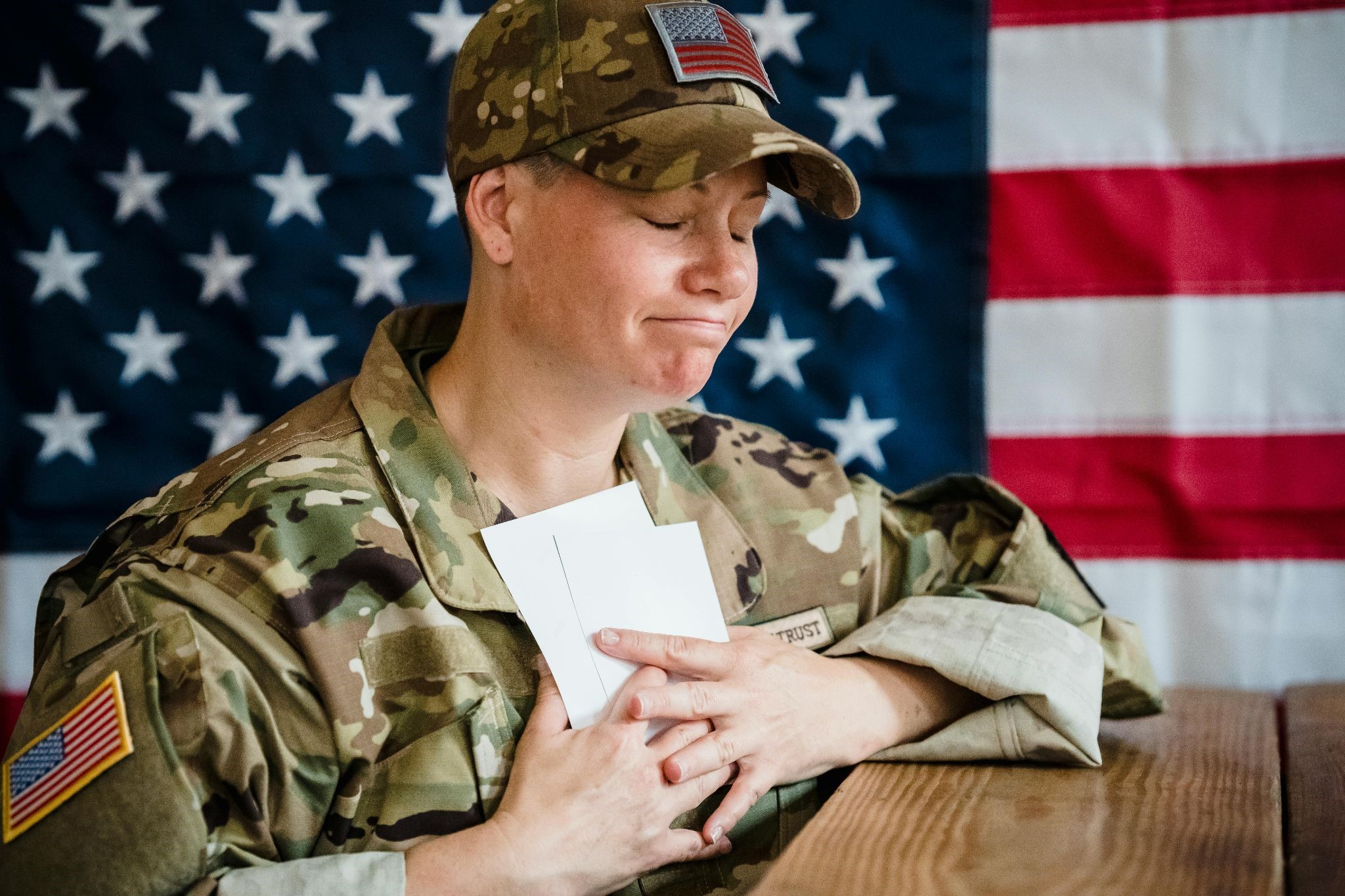
Supporting Veterans Beyond the Uniform: Healing, Belonging, and the Power of Presence If you’re a veteran seeking confidential support or resources for mental health or emotional well-being, visit VA Mental Health Services for immediate help and professional care. War ends on paper long before it ends in a person. For veterans, the return to civilian life can feel like stepping into a world that’s moved on without them. Families adjust to absence, then to presence again, each shift carrying its own weight. And the rest of us—friends, neighbors, coworkers—often want to help but don’t know where to begin. Support doesn’t always mean grand gestures or organized drives. Sometimes it’s smaller, quieter, more personal: the kind of care that meets people where they are and stays long after the parade’s over. These are some of the ways any of us can begin to show up—consistently, meaningfully, and humanly. Creating Safe Spaces for Honest Conversations At the start of healing is trust, and that trust begins with listening that costs nothing but presence. Veterans often carry emotions that feel too heavy for everyday spaces, and family members, unsure how to help, sometimes retreat instead. That’s where confidential counseling for service members plays an irreplaceable role—offering rooms where stories don’t echo beyond the walls. The counselors at these Vet Centers, many veterans themselves, understand the culture of service and the quiet language of trauma. Supporting or even mentioning these programs in your community tells veterans they can speak freely again. Healing begins when words stop being dangerous. Cultivating Resilience Through Mindfulness Sometimes healing hides in something as small as a breath. The benefits of mindfulness for veterans reach beyond meditation—they create a language of steadiness for both veterans and civilians. Practicing stillness trains the body to release the constant readiness that combat ingrains. When friends or family join veterans in learning mindfulness, it builds mutual calm and empathy without needing words. Shared breathing, steady awareness, and attention to the present moment can do what speeches never will: remind everyone that peace begins inside before it ever exists outside. Guidance from the Intuitive In moments where the traditional paths to healing feel too narrow, some veterans find grounding in places that speak to the unseen. Seer Sensitives offers an alternative source of guidance—not in contradiction to clinical care, but as a complement to it. Their intuitive approach can help veterans rediscover structure when life feels unmoored, offering clarity through conversation, ritual, or reflection. For those who carry emotional or spiritual weight that’s hard to articulate, these sessions can serve as a soft place to land. When a veteran begins to trust their own inner compass again, often it’s because someone showed them how to listen for it. Rebuilding Belonging Through Community It’s easy to thank someone for their service; it’s harder to make sure they still feel part of something afterward. Belonging doesn’t rebuild itself—it needs places, people, and repetition. Local efforts like chapters supporting military families anchor that sense of continuity. Their gatherings—book clubs, childcare swaps, community dinners—remind veterans and spouses that their stories don’t have to stay confined to other veterans. A neighbor who learns the names of the kids whose parent is deployed can become part of that family’s safety net. Real support isn’t found in slogans; it lives in consistent invitation. Standing Beside Those Facing PTSD There’s a deep kind of patience required to love someone through post-traumatic stress. No slogans, no pep talks—just understanding that trauma doesn’t follow a calendar. The barrier-free PTSD treatment for veterans offered through The Headstrong Project removes the common walls of cost and stigma that keep so many from therapy. What they model is revolutionary in its simplicity: unconditional access. For civilians, one of the most powerful acts of solidarity is normalizing therapy itself—saying openly that treatment is strength, not failure. Empathy isn’t passive; it’s showing up and staying even when healing moves slow. Recognizing and Preventing Crisis Moments A crisis doesn’t always shout—it often hides behind “I’m fine.” Veterans can go from coping to collapsing in the quiet between check-ins, and that’s why mental wellness programs tailored for veterans matter so much. They pair clinical care with community accountability, so no one falls through the cracks unnoticed. As a friend or colleague, you don’t have to be a therapist to make an impact: a text, a shared meal, or a calm presence can interrupt despair before it deepens. Awareness, not heroics, is what keeps someone anchored to tomorrow. Meeting Real-World Needs with Practical Support Long after ceremonies end, the practical struggles remain—bills, housing, recovery, and the endless logistics of rebuilding a life. Financial and physical injuries often compound, and that’s where organizations providing assistance for injured service members step in. Their work is the unglamorous kind of heroism: adaptive housing, family grants, transportation help. They turn gratitude into groceries, ramps, and working wheels. For civilians who want to make their thanks tangible, these direct-impact efforts prove that patriotism isn’t a feeling; it’s a function that keeps people moving forward. Strengthening Families and the Next Generation Military children grow up fluent in change—new schools, new towns, long absences. That flexibility is admirable, but it comes with invisible costs. Supporting programs that foster youth resilience in military children helps them transform uncertainty into confidence. These initiatives teach emotional vocabulary and coping tools that ripple through entire households. When kids learn they’re allowed to express frustration or sadness, parents learn how to listen without guilt. A resilient child steadies the family; a supported family steadies the veteran. Gratitude is not the end of support—it’s the ignition. Every thank-you note, every shared meal, every hour volunteered threads into the same truth: appreciation must have motion. Whether you’re writing letters to deployed soldiers, mentoring someone through a career change, or quietly helping a military spouse run errands, your actions weave community back together. Supporting veterans isn’t charity; it’s reciprocity. Every small act narrows the distance between those who served and those who didn’t, until service becomes something

A Modern Samhain Celebration
The light begins to fade from the skies earlier. From the chimneys, Van Gogh swirls are slowly starting to develop in the evening skies. The seasons are shifting and we are returning to the indoors again. Here we are once again at Samhain, the pause between abundance and rest, and a time when the world begins to remember familiar patterns and traditions. Samhain honors the heart of family continuity. The fields now lie still, but the spirit of the harvest remains in the act of sharing, in the telling of stories, and in the manner in which familiar hands set the table. When the final harvest was brought in and the fields lay bare beneath the cooling sky, families gathered to share food and remember those who had passed. They instinctively knew that the veil between worlds thinned, allowing their love to reach both ways. Among the oldest of the season’s traditions, the Dumb Supper endures as one of the most intimate, its purpose is to honor the cycle that joins the living to those who came before. Though centuries have passed and distance now separates families across miles and time zones, the impulse to gather has not faded, and technology offers a new table at which they can meet, transforming this ancient meal of remembrance into a digital supper that keeps its meaning alive. How Memory Took a Seat The Dumb Supper meaning reaches back centuries. It began as a meal held in silence, usually on the night of Samhain. The word “dumb” referred not to ignorance but to quiet, the belief that silence invited reflection and made space for those who could not be seen. Families would cook a meal from the final harvest, set the table for both the living and the departed, and eat together without speaking. The stillness reminded participants that every life feeds into another, and that gratitude must be expressed through action, not words. Although the custom began long ago, its purpose in Samhain celebrations has always been the same. The meal offers a moment to acknowledge loss while affirming continuity. A plate is set for each ancestor, often with their favorite food or drink. Remembering the importance of their presence, candles were often set and allowed to burn low. In the past, the living ate slowly, always remembering that silence does not separate the worlds, it joined them. In modern gatherings that honor the turning of the season, the Dumb Supper rarely holds to its ancient silence, yet its essence remains intact. The meal becomes a conversation between generations, a weaving of memory and presence shaped by shared food and familiar voices. Around the table, stories rise naturally from the rhythm of eating and serving, carrying with them the traces of those who first told them. Each recollection builds upon another until the room feels layered with time, the past living quietly within the present. The old silence has given way to the kind of noise that makes a house feel alive. Voices overlap as plates are passed, and the talk moves easily between the present and the past. Each story told across the table keeps the room anchored, turning an ordinary meal into something that feels both present and lasting. Bringing It Online Families are scattered now, living across cities, states, and continents, yet the instinct to share a meal persists. The digital Dumb Supper adapts this tradition for the modern world, turning distance into active participation. The laptop screen now becomes a window into other kitchens, restoring the sense of family that once came from shared harvests and long tables. Those who plan the supper begin with the menu. Recipes are chosen from memory rather than trend, the kind that carry the scent of childhood kitchens or the sound of a familiar voice giving directions that were never written down. A pot of stew might take shape from a grandparent’s notes, thickened with whatever the season offers. A dessert from long ago returns to the table, not because it is perfect, but because it belongs. Apples, root vegetables, fresh bread, and warm cider remind everyone that the harvest still feeds more than the body. Each household cooks the same meal in its own kitchen, timing the dishes so that plates are filled at once. Screens glow in corners and on counters, drawing distant rooms together until it feels like one shared space. The tables are dressed with small signs of presence: a glass poured for someone who cannot attend, an extra plate sitting quietly at the edge, a candle lit beside a photograph, until the table turns into a visual cemetery honoring those who no longer walk with us. These gestures, simple and unspoken, give the meal its shape. They make remembrance feel tangible, as if memory itself has pulled up a chair. The Living Work of Memory The success of a digital Samhain celebration depends on organization and planning. It is a deliberate act of connection that asks every participant to contribute something personal. Before the evening begins, families decide how they will share the responsibilities. Each role ensures that everyone participates and that no one feels like a spectator. Three simple roles help the evening unfold naturally: These roles exist to draw people in rather than keep them in order. Each person contributes something tangible, a story told, a dish prepared, or a small act of care that helps shape the evening much as hands once shaped the harvest. The purpose is to be present, to let the gathering unfold in its own rhythm, and to allow meaning to emerge naturally from the act of sharing. When Miles Disappear Even across screens, the sensory details matter. Families can heighten the sense of being together through a few simple choices that appeal to sight, sound, and taste. Before listing the ideas, it helps to remember that the meal should feel like an extension of the season itself, not a holiday production. The final suggestion creates the bridge between
Holistic Remedies for Flu Season
When flu season arrives, most people think of medicine cabinets and doctor’s visits. Yet there is also a wider conversation about herbs, rituals, and daily practices that keep us steady through the colder months. These traditions remind us that wellness is not only about fighting symptoms but about building resilience before illness takes hold. Holistic approaches have always combined practicality with meaning. A cup of herbal tea warms the body, but it can also ground the mind. A broth rich in garlic and root vegetables supports immunity while connecting us to the rhythm of seasonal foods. Even small rituals such as lighting a candle or pausing for deep rest can shift the experience of flu season from one of vulnerability to one of intention. This perspective does not replace conventional care. Instead, it expands the idea of what healing can look like. Herbs, remedies, and rituals become part of a circle of support that works alongside modern medicine. Together they create a fuller picture of health, one that honors both body and spirit as the season unfolds. Herbal Allies for Immunity For centuries, herbs have carried both practical and symbolic roles in protecting health. They shape the body’s response to seasonal stress while also reflecting cultural meaning and spiritual resilience. Echinacea is often prepared as tea or tincture. Beyond its reputation for supporting the immune system, it has long been regarded as a symbol of protection. When taken at the first sign of illness, it represents both physical and energetic defense. Elderberry provides another form of care. Its berries contain compounds believed to shorten the duration of illness. Folklore links the elder tree with guardianship and continuity, and a simple elderberry syrup embodies this blending of nourishment and tradition. Consider adding these herbal supports to your seasonal care: DIY Herbal Healing Preparing remedies at home is not only practical but also personal. The act of simmering herbs or blending ingredients can be viewed as a ritual, carrying intention as well as function. A simple tea of ginger, lemon, and honey soothes the throat, warms the body, and steadies the spirit. The process of preparing the tea and drinking it slowly becomes a moment of rest and renewal. Homemade syrups also provide both comfort and care. Elderberries simmered with cinnamon and cloves, finished with honey, create a syrup that strengthens immunity while offering familiar sweetness. These recipes allow you to shape remedies that are uniquely your own. Examples of supportive remedies include: Rituals for Seasonal Balance Illness can unsettle both body and spirit. Rituals restore alignment and remind us that healing is also an act of focus and intention. One simple practice is a candle ritual. Choosing a green candle for renewal or a white candle for protection, you focus on the flame as a symbol of vitality. This creates light in the home and clarity in the mind. Visualization practices add another dimension. By imagining radiant light filling the lungs and flowing through the body, the breath becomes an instrument of balance. These small rituals cultivate calm and reinforce the body’s natural resilience. Rituals you might choose to explore include: Nourishment for Body and Spirit Daily practices of eating, resting, and restoring rhythm are central to flu season care. These choices create resilience that cannot be separated from spiritual wellness. Seasonal foods provide grounding and strength. Root vegetables such as carrots and beets nourish with minerals, while garlic and onions add protective qualities. When simmered into broths and soups, these ingredients bring both healing and comfort. Rest is equally vital. Many traditions view sleep as sacred, a time when the body restores balance. Allowing yourself deeper rest in flu season mirrors the natural rhythm of winter, creating harmony between personal pace and seasonal cycles. You can deepen your overall care by: Seasonal Harmony in Practice Flu season does not have to be seen as a time of constant threat. It can also serve as a reminder to bring life back into rhythm with nature. Herbs, remedies, rituals, and nourishment together form a circle of support that carries health beyond the colder months. Each action, whether brewing tea, simmering broth, or lighting a candle, becomes a choice for wellness. Care is no longer only a response to illness but a continuous practice of relationship with body and environment. This integrated approach strengthens both health and spirit. By weaving together practical remedies and mindful rituals, you create balance that sustains you through flu season and well into the year. Please Note: These practices are offered as supportive traditions. They do not replace medical advice or professional care. Always consult your physician before beginning any new health regimen. In urgent or emergency situations, call 911 or seek immediate medical assistance. ✨ Share your own favorite herbal or mystical flu season remedy in the comments. By exchanging practices and experiences, we build a community of shared wisdom and living tradition.
The Empty Chair
A few houses down lived Margaret, the neighbor who waved from her porch even when her arms were full of grocery bags. She had been in that house longer than most of the others on the street. Her children had grown up there, playing in the yard under the wide reach of the maple tree that now towered over the roofline. The tree had been a sapling when her youngest was born; now it stretched into the sky with branches that cast shade across the lawn in summer and blazed with color each fall. Margaret often thought the tree had kept time with her life, marking the years with its growth. One October afternoon, when the air carried that first sharpness that hinted at winter, Margaret sat on her porch, pulling her cardigan tight. The maple had begun its annual shedding. Leaves spun through the air, drifting onto the yard, the driveway, and onto the roof. The wind carried them in swirls that seemed almost like Bob Fosse had visited and choreographed the dance himself. She sat back and watched, letting her thoughts wander. Her children were grown now, scattered across the country like the autumn leaves that no longer belonged to the branches. The house that had once vibrated with noise, the thud of soccer cleats on the porch, the slamming of doors during teenage quarrels, the chatter of friends filling the kitchen, had fallen into a silence that was heavier than she ever expected. Silence had its own volume, she realized. Louder than it should have been, the silence echoed in the hallways. It was magnified in the evenings, creeping into the corners of every room. Margaret had tried to resist that silence. She turned on the television more often than she cared to admit, not because she wanted to watch, but because the background noise filled the air. She replayed memories over and over, conversations she wished she had handled differently, decisions that seemed clearer in hindsight than they ever had in the moment. The regrets clung to her like burrs on a coat. She thought about things she might have done differently as a mother, about the sharp edges in her own temperament, and especially about the years that had passed in a blur of busyness. Now that the house was still, all of those thoughts had room to speak at once. She looked across the room and out the window. Across the yard the maple tree accepted a fate that could not be escaped, and let go. Leaves detached, floated, and settled wherever the wind carried them. The tree gave no sign of reluctance. It did not grasp or cling, but somehow seemed to know that its season was complete, and that release was the only way forward. Margaret stared at it for a long time, considering whether she had the courage to follow its example. That evening, she began where she could. The bookshelf in her living room sagged under the weight of novels she had once promised herself to read, biographies she had bought during a phase of ambition, cookbooks she had not opened in years. Their dust jackets still hinted at adventure, wisdom, and flavor, but she no longer had the appetite. She pulled the volumes down one by one, stacking them in a box for the library donation bin. Her hands trembled a little as she worked. It wasn’t that the books were precious, but because the act itself felt significant. She was doing more than tidying; she was acknowledging that some things belonged to past seasons of her life, and she no longer needed to keep them. That night she slept the entire night without grinding her teeth, something she had not managed in months. The next day she cleared a closet. She felt victorious. Then the kitchen drawer full of mismatched utensils and forgotten chargers were in her sight. The hall cabinet where outdated linens had gathered was next. Each time she removed something, she felt as though the house inhaled. Spaces opened up and light found new corners. She whispered a small thank you to the things as she carried them away because gratitude made the process easier. With every shelf and drawer she emptied, she discovered she was letting go of something less visible too. The regret that surfaced in the quiet hours, the guilt she nursed over choices she could never undo, the constant fear of what might or might not unfold in years ahead, these all began to loosen their grip on her life. She pictured each burden as a leaf falling, twisting briefly in the air before settling on the ground. There was no need to pick them back up, they had served their purpose. Neighbors noticed the recycling bins filled to the brim. They probably thought Margaret had finally decided to declutter, or maybe that she had grown restless in retirement. What they could not see was the larger shift taking place. Margaret was not erasing her past, nor was she trying to reinvent herself. She was naming what had been, honoring it, and then releasing it. The work made her shoulders lighter, her evenings less oppressive, her rooms more alive. One night, when the moon was thin and the air sharp, she sat again on her porch and noticed a single leaf still clinging to the maple. The tree had surrendered nearly everything else, yet this one leaf resisted. The wind pulled, and the leaf twisted but held. Margaret watched, a small smile tugging at her lips, because she knew what that felt like. She had spent years clinging too, even when her grip caused more ache than ease. She sat for a long while, studying the leaf’s stubbornness, remembering her own. When the leaf finally tore free, fluttering down in a spiral, she whispered goodbye, though she was not entirely sure whether she was speaking to the leaf, to a chapter of her life, or to the version of herself

When Nights Grow Longer
When Nights Grow Longer October kicks off under the Sun in Libra, and the theme of balance is already in the spotlight. After September’s eclipses rattled the collective mood, the new month brings a different rhythm. Libra season is not about swinging wildly to one side or the other. It is about finding the sweet spot between extremes, even if it takes a little wobbling to get there. Think of it less like perfect equilibrium on a scale and more like learning how to stand on a paddleboard without falling in. By all means, this is not a month that encourages autopilot. Each planetary movement adds another layer, calling attention to what we have ignored, avoided, or simply postponed. October holds up a mirror and dares us to look, truthfully. Fire Meets Reflection On October 6, the Full Moon in Aries blazes onto the scene. Full Moons are dramatic by nature, and Aries rarely enters quietly. This moon highlights independence, courage, and self-assertion. Yet with the Libra Sun across the sky, it is not enough to charge ahead with personal goals. The bigger question becomes: how do my choices affect the people closest to me? If you have been biting your tongue to keep the peace, this Full Moon may end your silence. If you have built walls in the name of independence, it may point out just how lonely those walls feel. The Aries–Libra push and pull shows that one side cannot thrive without the other. Independence without intimacy becomes hollow, and intimacy without individuality quickly becomes heavy. Expect themes of leadership, vitality, and new beginnings to show up. Just remember that this is not about abandoning what you have built. It is about striking a healthier balance, even if it means saying no to what no longer fits. Shadows Take Shape October 13 turns the dial up a notch as Pluto ends its retrograde and shifts forward. When Pluto changes direction, it rarely feels subtle. Months of inner digging and shadow work now want to spill into the outside world. Power dynamics, hidden truths, and simmering frustrations may demand action. Luckily, Venus also enters Libra on the same day, which softens the mood. Relationships may feel both intense and sweeter at the same time, which is a strange combination but a useful one. Pluto insists on honesty, while Venus prefers harmony. Together, they create a window where tough conversations can be had without everything turning into a soap opera. That said, suppressed emotions could still surface like geysers. If that happens, better to deal with them than try to shove them back down. A New Balance October 21 brings the Libra New Moon, an opening for new beginnings in relationships, cooperation, and fairness. Libra’s energy wants things to feel balanced and beautiful, but squares to Jupiter and Pluto make sure we do not overdo it. Lofty promises or overblown expectations could easily fall flat. Keep goals realistic, and progress will feel more lasting. It is worth noting that Mercury enters its pre-retrograde shadow the same day. Themes and conversations sparked now will circle back in November. If something feels familiar or like it refuses to resolve, consider it a preview of what Mercury retrograde will revisit. Dreams Return Again On October 22, Neptune drifts back into Pisces for one last stay before it leaves for good in 2026. Neptune in Pisces heightens sensitivity, spirituality, and imagination, but it also blurs lines. This return may feel like unfinished business. This could manifest as: Also on this day, the Sun enters Scorpio, which shifts the tone dramatically. Libra’s grace gives way to Scorpio’s depth. The season becomes less about smoothing things over and more about facing the truth head-on. Scorpio energy is about transformation, and it does not mind getting messy in the process. If Libra set the table, Scorpio asks what is really being served.You will need to ask yourself, is it cold like guacamole or hot like home-made soup? Beliefs Under Pressure On October 23, Jupiter locks into a square with Chiron, the first of three such alignments in the months ahead. This influence can feel like pressure on your core beliefs. Assumptions once taken for granted may wobble, and convictions may not hold up under scrutiny. Some may feel isolated, as if no one else understands their perspective. Ever had a time like that? While uncomfortable, this is not wasted energy. Cracks in your philosophy expose what was borrowed, outdated, or flimsy. What remains is what truly belongs to you. The square between Jupiter’s optimism and Chiron’s wounded healer archetype creates a strange but useful tension. It is hard to cling to illusions when reality keeps poking holes in them. So What Does This Mean October 2025 is a month that refuses to stay shallow. Every shift points to balance, but not the tidy version with everything perfectly aligned. Balance here means movement, like walking a tightrope or keeping a bike upright. Wobbles are part of the process. The Aries Full Moon highlights the tug between independence and intimacy. Pluto moving direct pushes us to act on what has been bubbling under the surface, while Venus in Libra reminds us not to bulldoze relationships in the process. The Libra New Moon offers a fresh start, but grounded intentions beat grand declarations. Neptune’s return to Pisces reopens the door to spiritual and creative insight, while the Sun in Scorpio asks us to go deeper than surface-level harmony. Finally, Jupiter square Chiron tests our beliefs, but what survives the test will be sturdier than before. October is not about perfection. We are recalibrating. It’s time to refocus on the North Star, get our bearings, and move forward. The month teaches us that balance is a living process, not a final destination. Growth comes from holding opposites without dropping either one. Reflections for the Journey Which themes feel the strongest for you this October? Maybe it is the tug-of-war between self and partnership. Maybe it is the shifting beliefs