

Unconventional Ways to Boost Your Mental Health That Actually Work Mental health matters. But let’s be honest — the usual advice gets stale fast. “Meditate,” “exercise,” “talk to someone” — helpful, yes, but sometimes you need something different. What if your next breakthrough didn’t come from a yoga mat, but from a spreadsheet… or a sensory garden? Welcome to the offbeat, the overlooked, the oddly effective. Quick Glance: What You’ll Take Away 12 unique mental health tactics that go beyond the basics Tools, techniques, and even a checklist to help you experiment safely Surprising modalities One link per section for deeper exploration You’re not broken. You’re complex. Let’s meet that complexity with creative care. Try These If Nothing Else Has Helped Four safe and lesser-known modalities to help manage stress when traditional therapy or wellness fads don’t quite do the job: Modality What It Is How It Helps Float Therapy Sensory deprivation tanks Deep relaxation, anxiety relief, clarity Forest Bathing Immersive time in nature (Japan: Shinrin-yoku) Lowers cortisol, boosts mood Ashwagandha Adaptogenic herb May reduce anxiety & improve sleep THCa powder A non-psychoactive cannabis compound Supports inflammation and stress regulation These approaches aren’t fringe — they’re emerging, evidence-informed options for people who’ve tried “the usual” and still feel off-center. Reclaim Your Mind With This Micro-Checklist Before you try something new, ask: ✅ Does it feel safe to try for one week?✅ Am I choosing it from curiosity, not fear?✅ Can I track how I feel without judgment?✅ Is there a version of this I can do for free? If you answer yes to at least 3/4, go for it. Just one small experiment could be the shift that sticks. Mental Health Meets Personal Growth Sometimes, mental health improves when you’re not trying to “fix” it at all — you’re just becoming more you. Consider using career growth as a backdoor into wellness. For instance: Going back to school can offer structure, purpose, and fresh direction — all of which improve mental clarity and emotional resilience. And for busy adults, flexible online learning options make it manageable. Earning a masters of healthcare administration is one example: it not only deepens industry knowledge but cultivates leadership — a confidence booster that pays off. Of course, choosing the right online healthcare degree program can feel overwhelming — especially when every school claims to offer flexibility, affordability, and quality. Here’s a quick side-by-side comparison to help clarify your options. School Flexibility & Format Support & Advising Industry Alignment Cost Transparency University of Phoenix 100% online, asynchronous classes with rolling starts 1:1 academic and career advising, 24/7 support Programs tailored to healthcare leadership careers Clear tuition pricing, no hidden fees Southern New Hampshire University (SNHU) Online, term-based with frequent starts Basic academic advising, career services offered Broad health focus, limited specialization Competitive tuition; upfront cost estimates Purdue Global Online with weekly deadlines Virtual office hours and career guidance Offers certifications but fewer leadership pathways Transparent tuition, but fees may vary Capella University GuidedPath and FlexPath learning formats Academic coaching plus some career support Strong in nursing, less focus on health admin roles Varies by learning path; fee structures complex Walden University Online, term-based structure Basic advising with additional services optional Generalist approach across public health disciplines Scholarships offered, but pricing not always upfront All programs have strengths, but some stand out by offering a tighter fit for healthcare leadership goals and working professional needs. When evaluating your next step, consider not just the degree — but how well the experience aligns with your lifestyle, learning style, and career direction. FAQ: “Do These Things Actually Work?” Is THCa the same as THC?Nope. THCa is non-psychoactive and doesn’t get you high. People use it for calming inflammation and easing tension without the head buzz. Do I need a therapist to improve my mental health?Therapy is powerful — but it’s not the only path. Many people benefit from peer support, creative expression, structured routines, or somatic practices. Isn’t this just self-help fluff?If it gets you grounded, clear, and calm — it’s not fluff. It’s a win. Expand Your Inner Awareness Mental wellness doesn’t always come from talking. Sometimes, it emerges from seeing — from sensing, from subtle insight. That’s where intuitive tools come in. Seer Sensitives offers intuitive coaching, energy clearing, and emotional release work that helps people move from “why do I feel this way?” to “oh — now I understand.” Their approach blends sensitivity with structure, opening up space for healing beyond the verbal. You don’t have to believe in anything woo. You just have to stay open. A Few More (Surprisingly Effective) Practices Make a list of “micro-goals” for joy — brushing your hair outside, calling a friend, lighting a candle Host a no-talk dinner — let quiet be the medicine Create a “Sanity Spreadsheet” — track daily habits vs. mood with emojis Join a Laughter Club — yes, they’re real. Yes, they help. Change your shower soundtrack — swap news for ASMR or absurd comedy These aren’t substitutes for professional care. They’re bridges — gentle ones. Let Your Senses Do the Healing Don’t underestimate your skin’s intelligence. The Vitruvi Stone Essential Oil Diffuser is one of the sleekest tools out there for low-effort mood shifting. Add lavender or eucalyptus, hit the button, and let your nervous system recalibrate — without a single “self-improvement” thought in your head. Ambient healing is real. This makes it easy. How to Stack Modalities Without Overwhelm Here’s a simple rotation model to keep things light: Mon–Tue: Forest bathing or outdoor timeWed: Spreadsheet mood-trackingThur–Fri: Diffuser & sensory quietSat: Try something social or expressiveSun: Reflect or reset — no goals Mix, repeat, pause when needed. Final Thought Mental health isn’t a finish line — it’s a rhythm. Let it be messy. Let it be yours. Try a few odd things. Track what helps. Leave what doesn’t. Relief doesn’t always roar. Sometimes, it whispers.
Protect Your Aura from Energy Vampires
Highly sensitive people often encounter energy vampires, individuals whose negative energy drains vitality and disrupts emotional and spiritual balance. Understanding how energy transfer works, strengthening emotional boundaries, and maintaining a resilient aura are essential practices for protecting your energy while navigating relationships, workplaces, and social environments. These practices not only safeguard your well-being but also enhance your intuitive abilities and emotional clarity. Build Resilient Emotional Boundaries Emotional boundaries are the foundation of energetic strength, defining where your energy ends and another person’s begins. Without these borders, your natural empathy can leave you vulnerable to manipulation, excessive demands, or subtle emotional draining. Strong boundaries allow you to respond with clarity rather than react impulsively, giving you control over how much energy you invest in others. Developing these partitions requires intentional practices. Learn to recognize interactions that leave you depleted, pause before absorbing emotions from others, and clearly communicate your limits without guilt. For example, if a coworker constantly complains or seeks emotional support beyond reasonable margins, set clear limits on how long or in what context you engage. Energetic cord cutting is a key technique, which involves visualizing the release of invisible cords that link you to draining individuals. By consciously severing these attachments, you reclaim energy, restore emotional balance, and reinforce your aura’s integrity. Your aura, a multi-layered field of energy surrounding the body, mirrors your emotional, mental, and spiritual state. Strengthening your aura supports emotional stability by acting as a protective barrier against energy vampires. When the aura is intact, it prevents external negativity from penetrating your emotional and mental space, allowing sensitivity to remain a strength rather than a vulnerability. Practices like visualization of protective light, energetic shielding, or imagining a boundary of glowing energy help maintain clarity, confidence, and balance in every interaction. Real-world situations often test your emotional bounds and the strength of your aura. For example, a coworker who habitually criticizes your work or takes credit for your ideas can subtly drain your energy. Instead of reacting defensively or absorbing their negativity, you can implement a strategy. Visualize a protective layer of light around yourself before interactions, keep responses concise and professional, and consciously detach from emotional reactions that do not serve you. Over time, these practices reinforce your aura and reduce susceptibility to emotional manipulation. Similarly, family dynamics can challenge energetic limits. A relative who frequently makes dismissive or controlling comments may trigger anxiety or self-doubt. In these cases, setting clear verbal limits, such as stating what topics are off-limits or limiting visit duration, combined with cord-cutting visualizations after the interaction, allows you to maintain emotional and energetic independence. Even digital spaces can harbor energy vampires. Constant exposure to online arguments, negative comments, or manipulative messaging can create mental fog and emotional exhaustion. Implementing digital lines, muting or unfollowing sources of negativity, limiting screen time, and engaging only in purposeful online interactions, protects your energy and prevents external negativity from affecting your mental clarity. By applying these strategies consistently across professional, personal, and digital contexts, you reinforce the dynamics of your aura, maintain emotional stability, and create a framework where your sensitivity becomes a source of strength rather than vulnerability. Cleansing and Grounding Your Energy Regular energy cleansing and grounding are essential to remove negativity, restore vitality, and maintain a well-protected aura. These practices complement emotional stability by reinforcing your energy field and helping you release residual stress or absorbed energy. Additional strategies include journaling after draining experiences, which helps identify patterns and reinforce mental and emotional margins. Walking in nature or connecting with natural elements after stressful interactions can ground energy and restore balance more effectively than passive rest. Build Energy-Boosting Relationships Even with strong barriers, the quality of your relationships influences energy flow. Seek connections with people who uplift, inspire, and support your emotional and spiritual well-being. Balanced exchanges provide energy reinforcement rather than depletion. Engage in intentional social practices, such as cultivating empathetic conversations, collaborating with like-minded individuals, or participating in shared spiritual activities. Attending meditation circles, intuitive workshops, or discussion groups focused on emotional wellness allows you to interact with others who respect the limits that you have set and share positive energy. By prioritizing these relationships, you create an energetic ecosystem that reinforces vitality and clarity. A supportive network amplifies the protective strength of your aura and encourages personal growth while minimizing exposure to draining dynamics. Recognize patterns where interactions consistently leave you depleted and adjust accordingly. Not all social engagements are necessary to maintain, and selectively reducing contact with draining individuals protects both mental and spiritual energy. Master Your Energy as an Empath Protecting your energy is a continuous, intentional practice. Recognize energy vampires, strengthen emotional confines, cleanse and ground your aura, and surround yourself with supportive individuals. Combining these practices creates a strong energetic infrastructure that allows you to maintain focus, emotional equilibrium, and spiritual clarity. Embodying this approach transforms sensitivity into a formidable superpower rather than a source of vulnerability. By consciously reclaiming authority over your energy, you create a protective yet flexible energetic framework that allows you to navigate emotionally charged situations with clarity and poise. Your resilience deepens as you learn to respond rather than react, maintaining calm when others project negativity or chaos. Intuitive abilities flourish because your aura remains unobstructed, allowing subtle cues, synchronicities, and inner guidance to surface with greater clarity and precision. Even in challenging environments, whether high-pressure workplaces, conflict-ridden family dynamics, or draining social settings, you preserve emotional equilibrium, making deliberate choices that honor your personal well-being. Over time, this practice fosters not only energetic self-sufficiency but also a sense of empowerment and inner harmony, where your heightened sensitivity becomes a refined tool for insight, connection, and purposeful action. Additional strategies for thriving include creating personal rituals, such as morning grounding exercises, mid-day visualizations, or evening energy checks. Tracking your energy levels throughout the day allows for intentional intervention before depletion occurs. Incorporating physical activity, hydration, and nutrition also supports aura unity and strengthens energetic barriers. Take Back
When The Shift Hits The Fan
Some months change the pace of thought before anything else. November is one of them. The emphasis falls on recognizing what has been operating in the background of decision-making and determining whether those patterns still hold up. The shift is internal and steady, not dramatic. People find themselves reconsidering motives, habits, and the quiet assumptions that shape daily behavior. The work is plain: notice what you are doing and why, decide whether it is still accurate, and proceed accordingly. There’s no spectacle to see, no collapse in sight. Just a clearer view of what has been guiding you and the choice to continue or revise. Herbal support in this context is not used to ease the experience or to completely avoid it. The aim is to increase steadiness so that awareness can remain clear. The plants discussed here are those known to regulate the nervous system without reducing vitality. They offer consistency, help maintain focus, and support the ability to stay with one’s own experience as it unfolds over time. The work is not to dull sensation but to remain present to it. Why Emotional Capacity Matters Just in time for Thanksgiving Day, the emotional themes of November center on recognizing what has been driving behavior and determining whether those motivations still hold weight. Patterns are being examined, assumptions now lay bare and are reviewed, and the internal story is updated to match current reality rather than past momentum. This is when emotional clarity strengthens and the nervous system must be able to hold it. Without stability, awareness can feel like an overbearing pressure. With stability, awareness becomes the direction of your life. This is where herbal support can function as practical infrastructure. In holistic wellness, herbs are not used to erase stress but to help the body regulate it. Adaptogenic herbs and nervines can reinforce the conditions needed for steady thought, emotional clarity, and grounded decision-making. Please note, they cannot choose a direction for anyone, but they can help create the physiological footing from which genuine choice is possible. Primary Herbal Allies Ashwagandha Root has long been regarded as a restorative herb, one that strengthens the system through consistency rather than quick effect. In the context of November’s emotional work, the function of this plant is structural. The herb reinforces steadiness of mood, sustained concentration, and the ability to stay present while internal narratives are being revised. Instead of dulling sensation or numbing discomfort, Ashwagandha provides a stable ground beneath emotional experience. When the nervous system has something reliable to lean into, reflection becomes possible without tipping into exhaustion or volatility. A sense of internal clarity becomes easier to maintain when mental activity is collected rather than scattered. Tulsi, or Holy Basil, is often used for this purpose in herbal wellness. The herb supports cognitive organization while leaving emotional presence intact, allowing thought and feeling to register in the same frame. This makes it possible to stay engaged with one’s experience instead of becoming overwhelmed by the pace of reaction. Many people turn to Tulsi when thoughts accumulate faster than language can form or when emotional responses feel vivid but difficult to articulate. The plant encourages a state in which the mind can interpret what the body already understands, offering structure without suppression and coherence without dulling awareness. Milky oats support the nervous system in periods that follow extended exertion, high alertness, or emotional strain. The effect is cumulative rather than immediate, building resilience through steady nourishment instead of quick correction. During November, many people begin to recognize how long tension has been running in the background, often without conscious acknowledgment. Milky oats strengthen the internal capacity required to process emotional material without fatigue, allowing reflection to remain grounded and sustainable rather than depleting. Supportive Practices Sustaining emotional clarity requires conditions that keep the nervous system steady. These practices do not solve emotional material on their own, but they create the physiological stability that allows insight to form without becoming overwhelming. Scorpio Into Sagittarius The first half of the month is oriented inward, bringing attention to emotional patterns and the origins that shaped them, along with a clear sense of whether they still belong to the present. When the Sun enters Sagittarius, the understanding formed during Scorpio season begins to take language. Thought gains outline. Feeling translates into intention, direction, or conversation. The insights gathered do not appear as declarations. They settle into choices that feel proportionate to what is now understood. Herbal support shifts slightly during this transition. Where the earlier focus was on grounding and containment, the emphasis now moves toward articulation and endurance. Tulsi supports clarity in how thoughts are expressed. Reishi steadies emotional presence during meaningful dialogue. Ashwagandha maintains a balanced reserve of energy for commitments that are newly defined or thoughtfully revised. Mars in Capricorn contributes a motivation that is patient, deliberate, and built for sustained effort rather than sudden change. Saturn’s movement direct in the sky above reinforces the patterns of what has been acknowledged and understood, giving the month’s developments structural integrity. Growth that forms under these conditions holds. Choosing Your Pace Even as part of the collective, people do not arrive at emotional clarity all at once. They do not move through revision at the same pace either. Some recognize what has outlived its relevance and shift immediately, as if the new understanding clicks into place without friction. Others move more gradually, letting each layer of awareness settle before taking the next step. What matters is that the internal alignment is genuine rather than rushed. Real change does not respond to pressure… it develops in conditions where the body and mind are steady enough to recognize what is true. It is important to note, herbs do not generate insight. What they do is create a physiological environment where reflection is bearable, where emotional recognition is not drowned out by fatigue, tension, or stress. In that sense, they support clarity by making space for it to emerge. November favors follow through
Decoding Lymph Flow in Fall
November shifts the tempo of daily life. The light changes, the air cools, and daily routines reorganize into slower, more interior rhythms. The body responds to this shift immediately, sometimes in ways that are impossible to ignore. Energy may feel different, circulation may change, and hydration patterns often shift without deliberate intention. This makes November an excellent time to support the systems that depend on movement and consistent daily nourishment. The lymphatic system is one of those systems. It is responsible for immune support, cellular cleanup, hydration balance, and overall fluid movement. Unlike the bloodstream, it has no central pump. It relies on movement, breath, and pressure changes through posture and muscle activation. When activity decreases or the body begins conserving warmth, lymph flow naturally slows. This can show up as puffiness around the face, heaviness in the extremities, sluggish mornings, or slower mental clarity. These are not signs of damage… they are signals that should not be ignored. Working with the lymphatic system in November sets a foundation for the colder months ahead. When lymph flow is supported, energy stabilizes, hydration improves, and immune readiness strengthens. The key is not force or intensity. The key is consistency and recognition of what the body is already trying to do. How the Lymph Works The lymphatic system is a network of vessels and nodes that transport and filter lymph fluid. This fluid carries immune cells, fats, proteins, and metabolic byproducts that need circulation for processing. Because the system relies on movement and breath, daily habits have a direct effect on how efficiently lymph flows. When the body is still for long periods, circulation in this network slows. That slowdown may look like swelling near the jawline or collarbones, stiffness in the shoulders, tension in the ribs, or a sense of heaviness in the arms and legs. Some people feel it as a fogginess that sits behind the eyes or in the center of thought. These shifts are not dramatic or imagined; they are real. What improves lymph flow is not extreme exercise. It is breath that expands the ribs. It is posture that changes throughout the day. It is walking, stretching, and hydration that actually reaches the tissue. The lymphatic system responds quickly to motion and hydration when given daily, repeatable input. November’s Internal Shift November does not only influence physical movement. It influences inner movement. The season brings more time indoors, quieter social rhythms, and more inward attention. Our emotional experience can become slower, more concentrated, or more reflective. When emotional expression compresses or pauses, the nervous system shifts, and the lymphatic system mirrors that shift. The connection is anatomical. The lymphatic system interacts with the nervous system continuously. When feelings move through the body, circulation often improves. That’s the key to health. When feelings are stored or postponed, the tissues can tighten, particularly around the neck, chest, hips, and jaw. That tightness physically restricts lymph flow. Supporting lymphatic health in November means allowing the internal experience of the season to move in real time. This does not require emotional intensity or deep introspection. It can be as simple as noticing sensation, breathing through the ribs, or allowing a reaction to rise and complete rather than shutting it down. When emotional pacing matches physical pacing, circulation becomes easier and energy becomes steadier. Hydration That Helps Hydration is one of the most powerful influences on lymphatic function. When the body is under-hydrated, lymph becomes thicker and harder to circulate. This can dull energy, slow immune processing, and contribute to puffiness or tension. The goal is not to force large amounts of water; the goal is to support absorption. If plain water is not your cup of tea, try a different direction. Hydration can shift based on flavor, mineral content, and temperature. A squeeze of citrus, slices of cucumber, or a small pinch of mineral-rich sea salt can make water more effective and more appealing. These simple additions can improve electrolyte balance and help the body use the water instead of passing it through quickly. Herbal infusions are also effective this season. Nettle leaf offers a concentrated source of trace minerals that contribute to cellular function and tissue vitality, while hibiscus brings a noticeable lift to circulation and flavor, adding a sense of brightness without relying on sweetness. Oatstraw works more quietly in the background, influencing hydration at the tissue level and offering support to the nervous system during periods of strain or seasonal transition. Together, these herbal infusions provide hydration along with nutrients the body can actually use, making them a practical and effective option when fluid balance and lymphatic flow need extra attention. Warm broths provide hydration and nourishment as temperatures cool. Bone or vegetable broths contain amino acids and minerals that support connective tissue and digestion. The warmth itself supports circulation. In November, hydration becomes a matter of selecting fluids the body recognizes and uses efficiently. Plants That Support Circulation Nettle leaf contributes minerals that influence hydration at the cellular level, making it a reliable foundation herb for maintaining tissue balance. Red clover blossoms have a long history of use in supporting fluid movement and metabolic exchange, particularly during periods of physiological transition. Calendula interacts with the lymphatic and immune systems through its effect on tissue repair and internal cleansing processes, offering support when the body is shifting into colder months. Cleavers, known for their direct relationship with lymphatic pathways, are frequently incorporated during seasonal transitions to help sustain circulation and maintain a sense of internal flow. Together or individually, these plants offer steady, functional support for lymphatic health when used consistently over time. These plants can be consumed in teas, tinctures, or long infusions. The lymphatic system adapts through repeated, steady input over time, so small movements practiced regularly have a greater physiological impact than sporadic bursts of intense effort. Small daily amounts often work better than occasional large amounts. Each plant has its own profile, so exploring blends can help determine what resonates with your system.
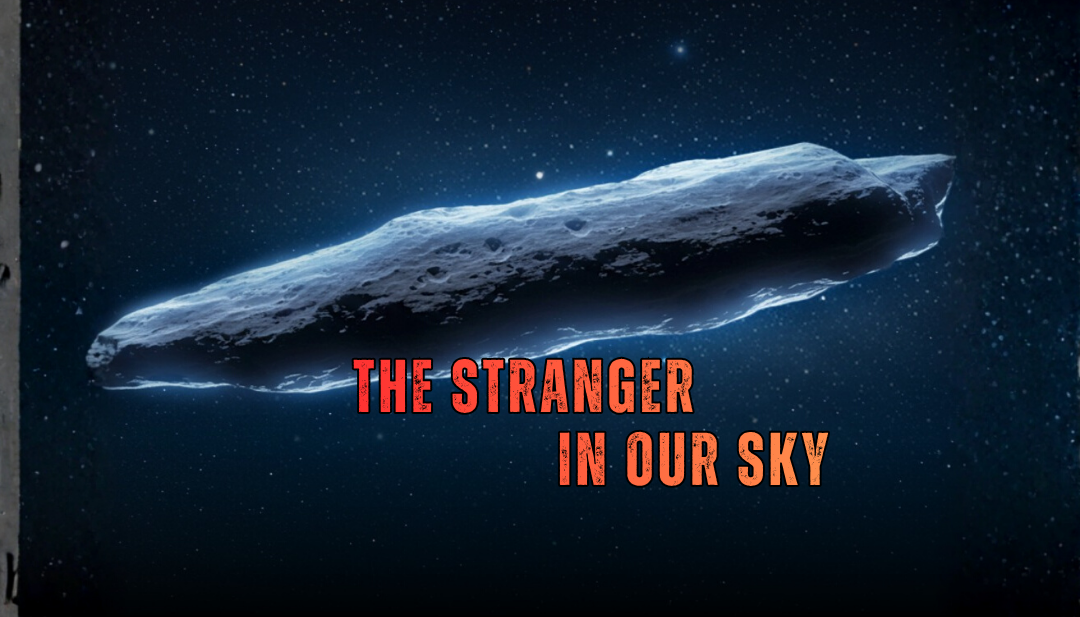
The Stranger In Our Sky
November 2025 astrology brings a mix of deep emotional insight, scientific curiosity, and cosmic events that shape how we interpret both the sky and ourselves. Scorpio’s transformative energy dominates early in the month, while the arrival of the interstellar object 3I Atlas, rare planetary shifts, and the transition into Sagittarius season invite new perspectives. Explore how science and astrology converge this month, revealing patterns, revelations, and opportunities for personal growth. The Arrival of 3I Atlas: November 2025’s Interstellar Visitor Simultaneously, something notable is happening in the sky. The interstellar object 3I Atlas has entered into our solar system. Its composition and the trajectory it follows point to an origin beyond our solar system, placing it among the rare class of objects that formed in a different stellar environment entirely. Scientists classify it as an interstellar traveler, only the third of its kind ever observed. Unlike recurring comets, its path will not bring it back. Its brief appearance underscores the fact that the solar system is not static. It interacts with larger systems that influence its history and direction. The timing of 3I Atlas passing through the solar system lines up in a way that’s hard to ignore. Scorpio is all about digging deep, uncovering what’s hidden beneath the surface. Then here comes this cosmic visitor, showing up unannounced and bringing information we didn’t have before. It’s like the universe is reminding us that what we think we know is always up for revision. Both astrology and astronomy are telling the same story this month: when you challenge your assumptions with new evidence, your understanding grows. Vega, the Wow Signal, and 3I Atlas in November 2025 3I Atlas is heading through a part of the sky near Vega, one of the brightest stars visible from the northern hemisphere. Vega isn’t “just bright”. It has been a reliable celestial landmark for thousands of years. Sailors, astronomers, and farmers have all used its steady presence to orient themselves and measure time. It’s a fixed point amid movement, a steady reference in a sky that’s always changing. Back in 1977, something unexpected came from that same region. It was a brief, unusual radio signal picked up by scientists scanning the cosmos. Lasting just over a minute, the signal never repeated. Because it didn’t fit any known natural or human-made pattern, it earned the nickname the Wow Signal. Even decades later, it remains unexplained, a single piece of data that challenges our understanding. What connects Vega, the Wow Signal, and 3I Atlas is the way they push curiosity forward. Vega represents measured order, something we can count on. But events like the Wow Signal and 3I Atlas show us where the boundaries of that order blur and invite new questions. It’s that space between certainty and mystery where science and astrology both live and where we learn the most. Scorpio Season 2025: Emotional Depth and Transformation In astrology, Scorpio season is when people tend to dig into the “why” behind their feelings. It’s less about vague emotions and more about tracing how those feelings form and asking if they still hold up. It’s like turning the spotlight on your reactions to see exactly where they came from. Instead of guessing or brushing things off, the focus turns to observing how past experiences shape current emotions. When you see these patterns clearly, you gain the power to change them through understanding. As November goes on, the Sun moves into Sagittarius, shifting the vibe from feeling to thinking out loud. The emotions uncovered during Scorpio season start to take shape as ideas, stories, or plans. Sagittarius is about expanding your view, sharing insights, and moving forward with intention. Mars in Capricorn helps by giving motivation a steady, practical push. Meanwhile, Saturn shifting direct at the end of the month acts like a checkpoint that locks in what you’ve learned. It ensures that the new clarity sticks around and influences decisions beyond just a moment of insight. Comets and Their Meaning in Astrology for 2025 Most people don’t usually factor comets into their natal charts the way they do planets or even asteroids. Comets show up less predictably, and because they don’t follow regular orbits, they often get overlooked in everyday astrology. But their meaning is fascinating when you do consider them. Comets are seen as messengers of change. They are the disruptors that shake up wherever they appear. They tend to symbolize sudden insights, breakthroughs, or moments when something hidden bursts into the open. When 3I Atlas passes through a natal chart, it signals a shift, but it’s not a dramatic upheaval you see happening outwardly. Instead, it nudges the way someone perceives or understands a particular life area, depending on which house it crosses. For example, if 3I Atlas moves through the first house, it helps redefine identity, not by changing who someone is, but by making their self-awareness sharper. In the fourth house, it loosens the grip of family patterns that might have felt automatic. In the seventh, relationships get a fresh lens based on what’s real now rather than what used to be. And in the tenth, ambition and career goals get recalibrated to fit deeper meaning instead of just external expectations. When 3I Atlas interacts with personal planets, its influence becomes noticeable in everyday behavior and choices. Touching the Moon shifts emotional rhythms, making feelings more conscious. Aligning with Venus sharpens tastes and attractions. Meeting up with Mars redirects drive toward purposeful goals. And if it lines up with the chart ruler, it’s like downloading an updated operating system for one’s whole outlook. This becomes a better way to process both internal and external realities. Though comets don’t dominate standard chart reading, their rare visits bring bursts of new awareness and ask us to rethink what we thought was settled. In that sense, 3I Atlas’s journey is less about spectacle and more about subtle recalibration, inviting personal evolution through expanded perspective. How Zodiac Signs Adapt to Change in 2025 Signs deal with