
Be the Change: A Journey of Inner Transformation When I first heard Mahatma Gandhi’s words, “You must be the change you wish to see in the world,” something deep within stirred. For years, I searched everywhere for answers, attending workshops and reading books about spiritual growth. Yet true transformation waited until I understood how to be the change within myself first. That crisp autumn morning on the quiet trail, I finally heard the message clearly. Peace had never left me. I simply needed to be the change by turning inward instead of outward. As leaves crunched beneath my feet, I felt connected to a larger energy that whispered one truth: real power begins when we choose to be the change in our own hearts. As the years went by, life proved to be an unexpected teacher. I had spent so much time seeking purpose through other people’s opinions that I forgot how to listen to my own inner voice. I read countless books on spiritual growth and metaphysical principles, hoping that one of them would tell me who I was supposed to be. But instead of feeling enlightened, I felt lost in a sea of other people’s wisdom. My heart longed for clarity that could not be found in words alone. Everything changed one morning when I decided to leave my phone at home and walk the nature trail near the lake. The air was crisp and quiet, and for the first time in months, I could actually hear the rhythm of my own breathing. As I walked, I realized that peace had been waiting for me all along. It had never disappeared. I had just stopped paying attention to it. That morning, I didn’t feel small or insignificant. I felt connected to something vast and living, almost as if the earth itself had whispered, “Start here. Start with you.” The Mirror Within I used to think the purpose of relationships was to complete me. I saw each friend and partner as a piece of a puzzle that would someday make me whole. But my understanding changed. I began to see that every person I met reflected something within myself. Some encounters brought joy and inspiration. Others tested my patience and revealed old wounds. Over time, I realized that the people who stirred discomfort were my greatest teachers. They showed me parts of myself I wanted to ignore. Whenever someone frustrated me, I asked, “What is this trying to show me?” That simple question opened the doorway to healing. It taught me responsibility for my reactions and emotions. Forgiveness followed. Not once, but daily. I stopped demanding apologies from others and started forgiving myself for not knowing better sooner. As I released the need to control outcomes, my energy shifted. I did not have to change the world around me because the change had already begun inside. The Flow of Energy My journey led me into deeper study of energy and how it shapes emotion, health, and thought. During meditation, I began using visualization exercises I had once doubted. I imagined light filling my body and surrounding me with calm. At first, it felt more like a creative exercise than any sort of transformation. But over time, it became real. The energy felt alive, warm, and supportive. Instead of reacting when tension or fear appeared, I learned to sit still and breathe through it. The energy within me started to feel balanced and focused. Each small act of awareness became a turning point. I discovered that change does not happen all at once. It builds quietly through repeated choices toward peace, understanding, and compassion. Synchronicities began to appear. I might think of an old friend and receive a message from them within hours. I might ask for guidance and find a feather on my path or a song that spoke directly to my current situation. These moments reminded me that life responds to our vibration. The more I aligned with love, the more love appeared in my experience. The Ripple Effect With time, others began to notice. A colleague mentioned that I seemed calmer in stressful situations. A family member said it felt comforting to be around me. I was not trying to influence anyone, yet something deeper had shifted. My internal state was inspiring others to reflect on their own. It dawned on me that transformation spreads like water rippling outward. When one person chooses awareness and compassion, that energy travels through every connection they touch. Each act of grace creates another, and this chain reaction begins to reshape the larger world. Lessons Along the Way When I looked back on what transformation had taught me, three core truths stood out clearly. These insights changed everything about how I viewed life. I no longer waited for someone to rescue me or for circumstances to improve. I understood that by embodying the version of myself I hoped to see in the world, I was already creating the change I sought. Living the Practice Transformation did not require grand actions. It found me in quiet choices—speaking with kindness instead of irritation, choosing gratitude instead of complaint, pausing to breathe before reacting in anger. Each small decision became a prayer in motion. I began every morning by whispering words of thanks. Even during difficulty, I found something to appreciate—a sunrise, my breath, the sound of rain. I wrote affirmations on slips of paper and kept them on my mirror: “I am calm”, “I am open”, “I am love.” Over time, those statements rewired the way I thought, helping me meet life from a place of strength rather than fear. What surprised me most was how challenges transformed too. Problems no longer felt like punishments but opportunities to evolve. When obstacles appeared, I asked a new question: “What is this moment trying to build within me?” That single question turned setbacks into steppingstones and pain into understanding. A New Kind of Change Now, looking back, I see how Gandhi’s words carried a timeless truth. Real transformation begins inside, not outside.
Decoding Lymph Flow in Fall
November shifts the tempo of daily life. The light changes, the air cools, and daily routines reorganize into slower, more interior rhythms. The body responds to this shift immediately, sometimes in ways that are impossible to ignore. Energy may feel different, circulation may change, and hydration patterns often shift without deliberate intention. This makes November an excellent time to support the systems that depend on movement and consistent daily nourishment. The lymphatic system is one of those systems. It is responsible for immune support, cellular cleanup, hydration balance, and overall fluid movement. Unlike the bloodstream, it has no central pump. It relies on movement, breath, and pressure changes through posture and muscle activation. When activity decreases or the body begins conserving warmth, lymph flow naturally slows. This can show up as puffiness around the face, heaviness in the extremities, sluggish mornings, or slower mental clarity. These are not signs of damage… they are signals that should not be ignored. Working with the lymphatic system in November sets a foundation for the colder months ahead. When lymph flow is supported, energy stabilizes, hydration improves, and immune readiness strengthens. The key is not force or intensity. The key is consistency and recognition of what the body is already trying to do. How the Lymph Works The lymphatic system is a network of vessels and nodes that transport and filter lymph fluid. This fluid carries immune cells, fats, proteins, and metabolic byproducts that need circulation for processing. Because the system relies on movement and breath, daily habits have a direct effect on how efficiently lymph flows. When the body is still for long periods, circulation in this network slows. That slowdown may look like swelling near the jawline or collarbones, stiffness in the shoulders, tension in the ribs, or a sense of heaviness in the arms and legs. Some people feel it as a fogginess that sits behind the eyes or in the center of thought. These shifts are not dramatic or imagined; they are real. What improves lymph flow is not extreme exercise. It is breath that expands the ribs. It is posture that changes throughout the day. It is walking, stretching, and hydration that actually reaches the tissue. The lymphatic system responds quickly to motion and hydration when given daily, repeatable input. November’s Internal Shift November does not only influence physical movement. It influences inner movement. The season brings more time indoors, quieter social rhythms, and more inward attention. Our emotional experience can become slower, more concentrated, or more reflective. When emotional expression compresses or pauses, the nervous system shifts, and the lymphatic system mirrors that shift. The connection is anatomical. The lymphatic system interacts with the nervous system continuously. When feelings move through the body, circulation often improves. That’s the key to health. When feelings are stored or postponed, the tissues can tighten, particularly around the neck, chest, hips, and jaw. That tightness physically restricts lymph flow. Supporting lymphatic health in November means allowing the internal experience of the season to move in real time. This does not require emotional intensity or deep introspection. It can be as simple as noticing sensation, breathing through the ribs, or allowing a reaction to rise and complete rather than shutting it down. When emotional pacing matches physical pacing, circulation becomes easier and energy becomes steadier. Hydration That Helps Hydration is one of the most powerful influences on lymphatic function. When the body is under-hydrated, lymph becomes thicker and harder to circulate. This can dull energy, slow immune processing, and contribute to puffiness or tension. The goal is not to force large amounts of water; the goal is to support absorption. If plain water is not your cup of tea, try a different direction. Hydration can shift based on flavor, mineral content, and temperature. A squeeze of citrus, slices of cucumber, or a small pinch of mineral-rich sea salt can make water more effective and more appealing. These simple additions can improve electrolyte balance and help the body use the water instead of passing it through quickly. Herbal infusions are also effective this season. Nettle leaf offers a concentrated source of trace minerals that contribute to cellular function and tissue vitality, while hibiscus brings a noticeable lift to circulation and flavor, adding a sense of brightness without relying on sweetness. Oatstraw works more quietly in the background, influencing hydration at the tissue level and offering support to the nervous system during periods of strain or seasonal transition. Together, these herbal infusions provide hydration along with nutrients the body can actually use, making them a practical and effective option when fluid balance and lymphatic flow need extra attention. Warm broths provide hydration and nourishment as temperatures cool. Bone or vegetable broths contain amino acids and minerals that support connective tissue and digestion. The warmth itself supports circulation. In November, hydration becomes a matter of selecting fluids the body recognizes and uses efficiently. Plants That Support Circulation Nettle leaf contributes minerals that influence hydration at the cellular level, making it a reliable foundation herb for maintaining tissue balance. Red clover blossoms have a long history of use in supporting fluid movement and metabolic exchange, particularly during periods of physiological transition. Calendula interacts with the lymphatic and immune systems through its effect on tissue repair and internal cleansing processes, offering support when the body is shifting into colder months. Cleavers, known for their direct relationship with lymphatic pathways, are frequently incorporated during seasonal transitions to help sustain circulation and maintain a sense of internal flow. Together or individually, these plants offer steady, functional support for lymphatic health when used consistently over time. These plants can be consumed in teas, tinctures, or long infusions. The lymphatic system adapts through repeated, steady input over time, so small movements practiced regularly have a greater physiological impact than sporadic bursts of intense effort. Small daily amounts often work better than occasional large amounts. Each plant has its own profile, so exploring blends can help determine what resonates with your system.
The Day Grief Moved Out
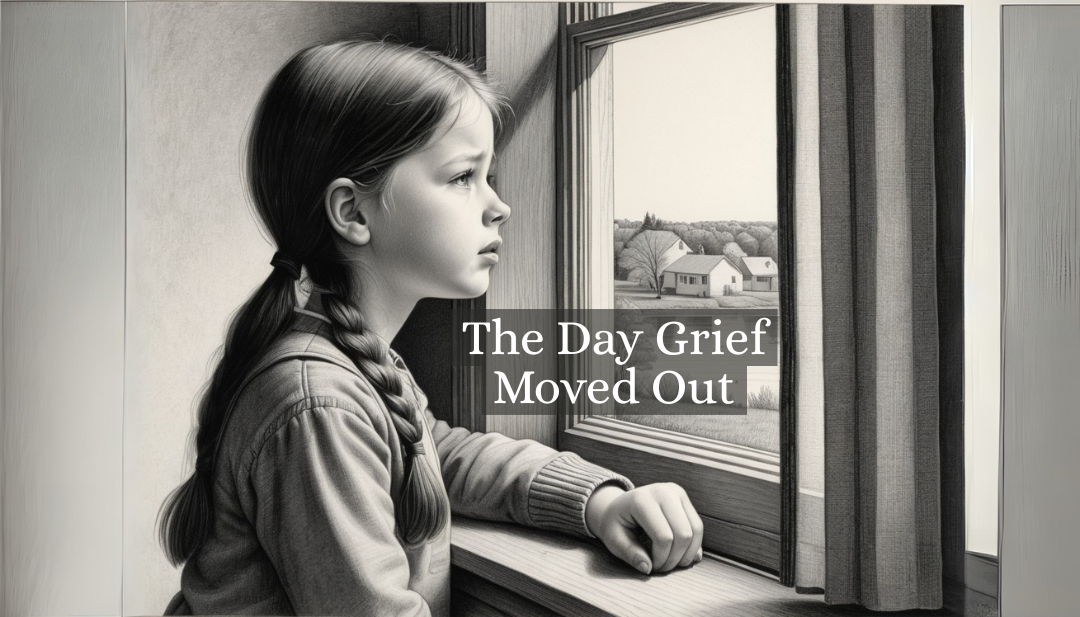
The Day Grief Moved Out I lost my father in 2021, though the real departure happened decades earlier, when I was eight years old and still learning to tie my shoes without thinking too hard about it. He left without a scene, without noise, and without explanation. There was no phone call, no clumsy adult attempt at comfort or closure. He was just gone, half the closet empty. The hangers were still rocking back and forth, he left so quickly. In the vacuum he left behind, I cried and tried to rationalize what happened. I didn’t realize it at the time, but those actions became the scaffolding for every silent rejection I absorbed later. Not good enough. Not worth staying for. Not lovable enough to anchor a father’s presence. I didn’t even realize that I was thinking those things; they were just woven into my soul. And eventually, they were buried. I grew up and life went on, but I didn’t know I was still carrying that pain, it wasn’t really in my memory. Oddly enough, I carried it in the joints of my body and in the breath that I never let it deepen. It was festering there, showing up in my need to keep over-achieving, pleasing, and always pushing forward. Looking back I realize I did everything I could possibly do, as long as it didn’t require me to stand still long enough to feel what had not finished moving through. I did the work, or so I told myself. I read the books, and journaled about my childhood. I learned about shadow work and while working through that, I learned about self-worth. Finally, after many years, I healed and began to feel good about myself. But the body knew what I didn’t–pain has a way of remembering for you. In the weeks leading up to the anniversary of my father’s death, I began noticing strange synchronicities. A stranger with his posture walked past me, sucking out the breath in my body. I had to do a double take. A song he once hummed, no longer popular, came on the radio. A phrase he used to say, repeated by someone who couldn’t possibly have known. They were the triggers, bring forward memories I had locked away. When the last anniversary of his death rolled around, I took a honest look at my life and realized I was totally alone. My husband died shortly after we married and now my bio-family was gone too. Dealing with so much loss over the years, I was too consumed with grief and trauma and I never noticed my physical state deteriorating. My body and mobility had changed completely and I never saw it until it was too late. I didn’t just ache because I was “getting older”. I wasn’t “just stiff and sore”. I was in severe pain and physically limited… and alone. Walking was almost impossible. Steps became a conscious act, like counting coins you cannot afford to spend. Still, I kept showing up daily to life with a smile on my face, but beneath it all, something stayed locked, literally. My back, my hips, my breath. Everything had tightened into protection, searching for safety and security. I realized my body had become a jail and someone had thrown away the key and I was desperate to escape from it. On the hardest day, the day that marked his leaving of this Earth, I forced myself to get up out of bed. I had lost my job weeks earlier, lost my family, and I was on the border of losing any reason for going on. But I am tenacious and I want to heal and live. I deserve happiness, even if I have to give it to myself (which turns out, is the only way you can ever find true happiness. It’s within yourself.). Wanting to heal, I struggled to get my legs to move, but I did, and I walked into a yoga class. I wasn’t looking for transformation. I knew that I was at the end and I didn’t want it to end like this; I was just desperate to hurt a little less. That day, my instructor noticed before I said anything. She kept her voice calm, her movements simple. When she saw me, I felt like I was pulling my body along, pulling an invisible rope and just trying to get into the room. I knew I looked like a fresh hell had emerged, with swollen, tear-filled eyes. I also knew that at any moment, I could let go of the rope and I would be fine. I was at that point. She came over, put her hands on my back and took away the cane I was using. At that point in life, it was the only support I had ever known. It was so much more than a physical crutch. Taking me to the back of the room and placing my hands on the barre, she helped me into a supported stretch. She didn’t use flowery words or spiritual maxims. She simply held space. When I twisted and began to go lower, something gave way. A pop in my back and hip cracked through the tightness like something had broken open. For a moment, I thought my bones had actually snapped. Then the crying began. Not surface-level tears, not the kind you wipe quickly and explain away. These were deep sobs that came from a part of me that had been holding grief like breath, just waiting my entire life for a safe enough place to let go. I didn’t cry like that at his funeral. I didn’t cry like that when I found out he had died. I cried like that because my body had been holding something for thirty years, and finally, it was allowed to be heard. It was the release I needed for my body to heal. The tears washed away some of the pain. I’m not quite there yet, but
Tending the Inner Garden
Tending the Inner Garden What Weeds in Your Life Need Pulling? May has arrived like an old friend carrying a basket of possibility and a bouquet of wildflowers. There is something about this month—the way it rolls in with more sunshine than sense, the way the air smells like second chances—that feels like an open door. The Earth is shaking off its sleep, stretching its limbs, and unfurling with quiet confidence. Everything seems to be reaching upward, eager to grow. And perhaps, deep down, so are we. For those who follow the stars—or who simply felt like the past two months steamrolled through their emotional landscape with all the grace of a runaway lawnmower—the recent eclipse season was no joke. There was a solar eclipse to wake us up, a lunar eclipse to wring us out, and enough inner upheaval to make even the most grounded person wonder if the cosmos was using us as a science experiment. But now, after the dust has settled and the sky has stitched itself back together, May steps forward with her hands on her hips and says, “Alright, darling. Now what are you going to do with all this space?” This, it turns out, is the perfect question. Because every soul, whether it is polished or slightly frayed, has a garden within. Some call it the spirit. Others refer to it as the emotional body, the subconscious, or the inner sanctum. But no matter what name you give it, it is there—living and breathing inside you, shaped by your experiences, your stories, and your dreams. And like any good garden, it needs tending. There are seasons when all we can do is survive. Weeds take root when no one is looking. They creep in through heartbreak, disappointment, fear, or the slow erosion of boundaries. They might disguise themselves as practicality or people-pleasing. They might look like overcommitment or that one friendship you keep out of guilt rather than joy. You know the one. Sometimes, they are not even weeds. They are plants that once served a purpose but have now outgrown their usefulness. Like that ivy of perfectionism—lush and determined, but choking out every breath of joy. May does not demand that you bulldoze your entire soul and start over. It asks you to take a good look at what is growing and decide—gently, lovingly, and perhaps with a little ruthlessness—what needs to stay and what has worn out its welcome. This is the month when we pull on our metaphorical gloves, grab the trowel of introspection, and poke around in the soil of our lives. It is messy work, to be sure. See those beautiful roses over there? Yeh, those. Look closer. That’s right, they protect themselves with razor sharp thorns. No one emerges from weeding unscathed. You will get dirt under your nails. You might uncover a few forgotten hurts buried beneath and discover why you are always busy and on the go. You might even find an old goal from 2017 still sprouting despite your best efforts to ignore it. The truth is, when it’s quiet around us and there is nowhere to go, nothing to do, we are left with only one option–to take a deep look and see who is lurking inside of us. But make no mistake—this is sacred work. Every time you name a pattern that no longer serves you, you make room for healing. Every time you say, “I deserve better than this,” you create space for grace. And every time you choose yourself—quietly, fiercely, without apology—you plant something beautiful. So, my darling, it’s time to shovel the… manure… and get the beds ready. The seed catalog just arrived and it’s time to plant. Of course, no one said this process would be tidy. Healing rarely is. You may find yourself crying over a cup of tea, laughing mid-meltdown, or talking to your houseplants like they are your spiritual advisors. This is all perfectly normal. In fact, it is encouraged. So where does one begin? Begin by noticing what has become overgrown. Are there parts of your life that feel cluttered, not just with stuff, but with obligations that no longer align with your heart? Are there thoughts you repeat to yourself like bad elevator music—subtle but maddening? Perhaps your weed is called self-doubt. Or maybe it answers to the name of comparison. It might show up as avoidance, procrastination, or that little voice in your head that sounds suspiciously like your high school gym teacher saying you will never measure up. That’s right–today is the day we climb that rope up to the top of the ceiling. Whatever it is, May invites you to name it. And then, slowly and steadily, begin the gentle process of letting it go. If you feel brave, grab a journal and write down the things you are ready to release. If you feel silly, talk to yourself out loud. Light a candle. Burn the list. Dance in your living room to a song that reminds you of who you were before the world told you who to be. This is your garden. There are no rules here, only rhythms. And while you are clearing space, remember this: nature abhors a vacuum. Once you pull a weed, something new will want to grow in its place. Be intentional about what you plant. Choose seeds of peace, courage, joy, and purpose. Tend them with care. Water them with kindness, love, and compassion. Give them the sunlight of your attention. Over time, they will grow. In this season of longer days and warming skies, there is a natural momentum that supports your transformation. You do not have to force it. You simply have to align with it. Walk barefoot. Sit with your thoughts instead of running from them. Laugh more. Cry when you need to. And for the love of compost, stop apologizing for needing time to bloom. The Earth is not in a rush, and neither are you. Let