
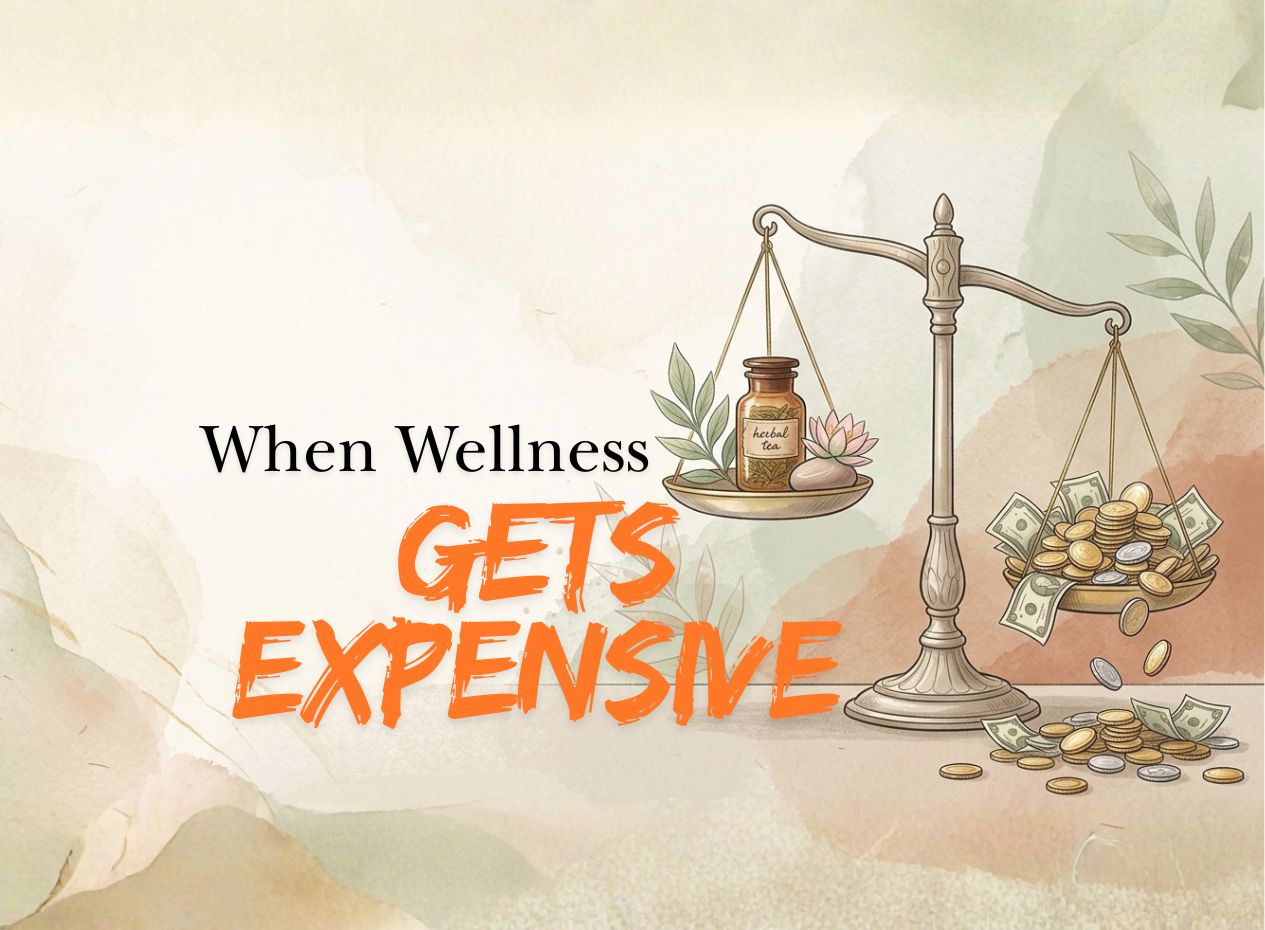
When Wellness Gets Expensive
Taking care of yourself should not feel like another bill you cannot afford to pay. Yet as medical appointments, insurance premiums, prescription medications and everyday necessities put pressure on household budgets, many people find themselves searching for additional ways to support their well being without spending money they simply do not have. It is understandable that interest in holistic wellness continues to appeal to people who want a broader approach to caring for themselves, particularly when they are looking for practical habits that fit into real life.
The financial strain is not imaginary. A 2026 KFF report on health care costs describes how affordability affects people’s decisions about seeking care, with its recent polling finding that many adults have delayed or skipped needed health care because of cost. Those circumstances help explain why people look for accessible options, although it is important to distinguish complementary wellness practices from medical treatment that should not be postponed or replaced.
What Does Holistic Wellness Mean?
Holistic wellness considers the many parts of life that can influence how we feel, including sleep, nutrition, movement, emotional well being, relationships and the environment around us. Rather than focusing exclusively on one symptom, this approach encourages people to pay attention to their daily routines and the ways those routines support their overall quality of life. It does not mean rejecting conventional medicine, because a balanced approach can include appropriate medical care alongside safe complementary practices.
The good news is that some supportive habits cost very little or nothing at all. Getting outside for a walk when it is safe and comfortable, making time for a relaxing activity or reconnecting with a friend can contribute to a sense of well being without requiring a subscription or an expensive wellness package. You do not need a cupboard full of supplements, a collection of crystals or a complicated morning routine to begin paying more attention to what helps you feel your best.
Herbal Traditions Without the Hype
Herbalism has a long history across many cultures, and people continue to explore plants as part of personal wellness routines. Ginger, peppermint and chamomile are familiar examples of herbs used in foods and beverages, while other botanicals have traditional uses that vary across regions and practices. Learning about these traditions can be fascinating, but it is important to separate historical use from scientific evidence that a particular herb can treat a specific condition.
Before purchasing herbal products, check the available evidence and consider whether they are appropriate for your circumstances. The National Center for Complementary and Integrative Health explains that the evidence for dietary supplements varies widely and that some products can interact with medications or pose risks for people with certain medical conditions. Natural does not automatically mean safe, and an inexpensive supplement is not a bargain if it causes an unwanted reaction or delays appropriate treatment.
Affordable Care Starts With Everyday Choices
When money is tight, wellness advice can become frustrating if it assumes everyone has the same resources, schedule or physical abilities. Not everyone can afford a gym membership, buy specialty groceries or spend an hour preparing meals, so useful advice should account for the realities of daily life. A more practical approach is to identify small changes that work with the time, energy and money you actually have.
You might begin by choosing a simple evening routine that helps you wind down, preparing an inexpensive meal at home when possible or setting aside a few minutes to write down what is worrying you. If you enjoy herbal tea, a familiar cup can become a comforting pause in your day without turning into an expensive collection of wellness products. The goal is not to do everything perfectly, but to discover which manageable habits make a positive difference in your life.
Know When You Need Professional Care
Holistic wellness should support your health rather than become a substitute for medical evaluation when you need it. New or worsening symptoms deserve appropriate attention, and prescribed medication should not be stopped or changed simply because an online source or wellness practitioner recommends an alternative. If cost is keeping you from getting care, it may be worth asking providers about payment plans, community health clinics, sliding scale services or lower cost prescription options.
The Health Resources and Services Administration offers a tool for locating federally funded health centers, which provide primary care services and use sliding fee scales based on income and family size. That can be a useful starting point for people who need care but are worried about the bill. Exploring affordable services is a more reliable strategy than trying to manage a potentially serious health concern with home remedies alone.
Build a Wellness Routine That Fits Your Life
There is no single formula for feeling better, because what works for one person may be unrealistic or unhelpful for somebody else. The best starting point is to think about what you can reasonably maintain, whether that means spending a little time outdoors, creating a calming bedtime ritual or learning more about the herbs you already use in your kitchen. Give yourself permission to experiment with caution rather than buying every product that promises a better life.
You can also make room for the spiritual side of wellness if that is important to you, using meditation, journaling or personal reflection to explore what you need and where you want to direct your attention. These practices do not have to cost anything, and they can complement other forms of care without making promises they cannot keep. If you would like intuitive guidance as you explore your personal path, you can connect with SeerSensitives and book a session.
Wellness should not be another competition you feel you are losing. Start with what is accessible, stay curious about what genuinely helps and remember that caring for yourself does not require purchasing every answer.