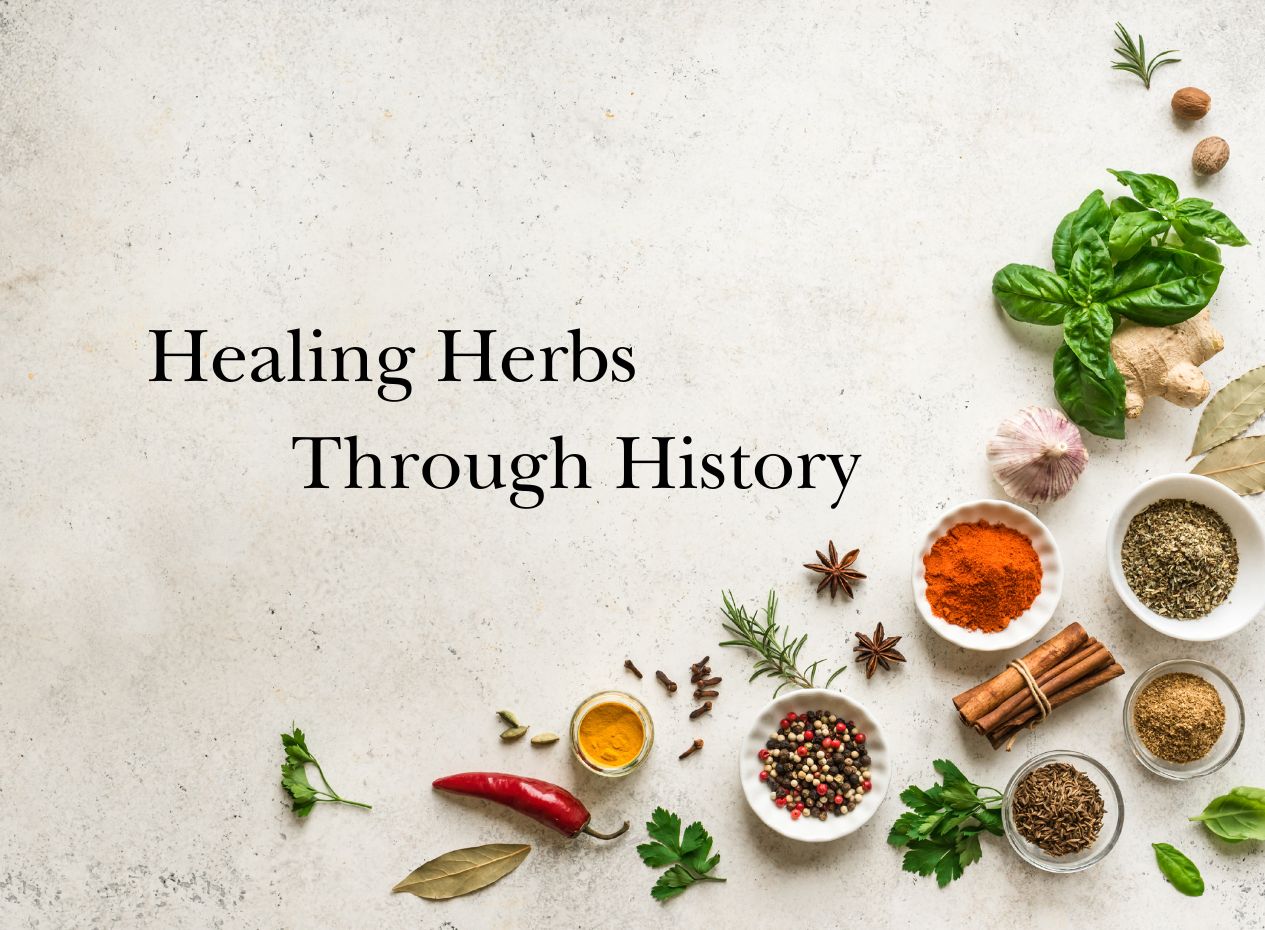
Healing Herbs Through History
The Origins of Herbal Knowledge
The history of herbal medicine begins long before written records, emerging from the close relationship between humans and the natural environment. Early communities observed the plants growing around them and learned through experience which ones could be used for nourishment, comfort, or practical support. Over time, this knowledge became woven into cultural traditions that were passed through generations.
Herbal wisdom developed independently across many regions of the world, shaped by local ecosystems and the plants available within them. Despite these differences, a shared understanding emerged that nature held valuable resources for supporting human life. This foundation became the basis for many of the herbal traditions that continue to influence modern wellness practices.
Chamomile and Ancient Comfort Traditions
Chamomile has been valued for thousands of years across multiple cultures, with records of its use appearing in ancient Egyptian and European traditions. It was often associated with calm and restoration, and its gentle nature made it a widely respected plant in household and community care practices. Over time, chamomile became one of the most recognizable herbs in traditional wellness.
Its continued popularity reflects the way certain plants maintain relevance across centuries. Chamomile tea remains a common ritual in many homes today, connecting modern life with ancient practices that emphasized simplicity and observation of natural effects. This continuity highlights how some herbal traditions remain stable even as medical knowledge evolves.
Lavender in Cultural History
Lavender holds a long and varied place in herbal history, particularly within Roman and Mediterranean traditions where it was used in bathing rituals and aromatic preparations. Its fragrance made it a valued plant in both practical and ceremonial contexts, and it eventually became associated with cleanliness, relaxation, and care for the body.
As lavender spread through trade and cultivation, it became a staple in gardens and herbal collections across Europe and beyond. Monastic communities often cultivated it alongside other medicinal plants, preserving its use through careful tending and knowledge sharing. Today, lavender continues to be widely recognized for its historical and cultural significance.
Rosemary and Memory Traditions
Rosemary has long been associated with remembrance and continuity, particularly in ancient Greek and Roman traditions where it symbolized memory and intellectual clarity. Students and scholars sometimes incorporated rosemary into their study practices, reflecting a belief in its connection to focus and retention.
Beyond its symbolic meaning, rosemary also became an important culinary and household herb, valued for both its aroma and its versatility. Its evergreen nature contributed to its association with endurance and lasting presence, making it a plant that carried both practical and symbolic significance through history.
Tulsi and Sacred Herbal Practice
Tulsi, also known as holy basil, holds a deeply respected place in Indian herbal and spiritual traditions. It has been cultivated for centuries in homes and temple gardens, where it is often regarded as a sacred plant with both practical and spiritual significance. Its presence reflects an integrated approach to wellness that includes body, mind, and environment.
The continued use of tulsi in traditional practices demonstrates how herbal knowledge can remain active within cultural and spiritual life. It is often prepared as tea or used in daily rituals, reflecting a long-standing belief in its supportive qualities within holistic living systems.
Herbal Traditions Across Cultures
Herbal knowledge is not limited to any single region or tradition, but instead appears in varied forms across Indigenous, African, Asian, and South American cultures. Each region developed its own understanding of local plants based on observation, experience, and generational teaching. These systems often emphasized balance between humans and the natural world.
Although modern science has transformed healthcare in many ways, many herbal traditions continue to exist alongside contemporary practices. The persistence of these systems reflects their cultural importance and the ongoing interest in plant based approaches to wellness. They remain part of a broader global relationship with nature that continues to evolve.
The Enduring Role of Herbs
The continued interest in herbalism speaks to a deeper human desire to remain connected to the natural world. Herbs have played a role not only in physical practices but also in cultural memory, ritual, and everyday life. Their presence in gardens, kitchens, and wellness routines reflects an ongoing relationship that spans generations.
While methods of use have changed over time, the underlying connection between people and plants remains consistent. Herbs continue to serve as a reminder that many forms of knowledge begin with careful observation and a willingness to learn from the environment. This continuity gives herbal history its lasting relevance in both traditional and modern contexts. Want to learn more? Reach out and connect with one of our herbal advisors!