Herbs That Support Emotional Healing
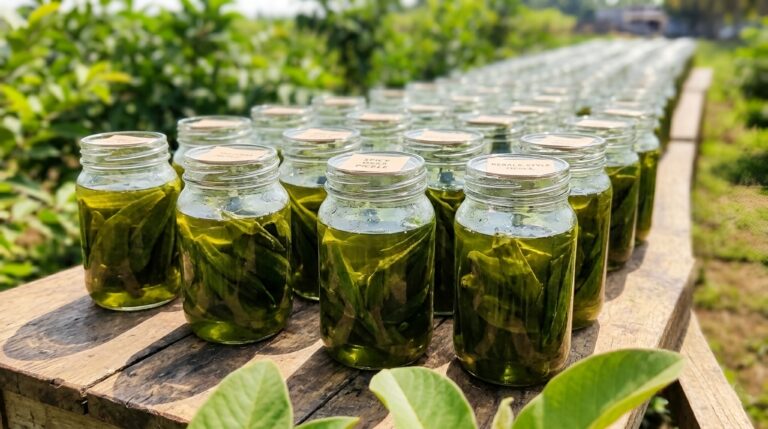
Long before wellness trends turned herbal remedies into carefully branded products, people gathered leaves, flowers, roots, and bark to ease emotional suffering. Ancient herbal traditions understood something modern culture often forgets. Emotional distress lives inside the body as much as the mind. Anxiety tightens muscles, grief weakens energy, and chronic stress reshapes sleep, digestion, and emotional resilience in ways that slowly affect the entire nervous system.
Herbalism developed from careful observation of those connections.
Traditionally, many plants associated with emotional healing do not work by numbing difficult feelings or forcing instant calm. Instead, certain herbs appear to support the body’s natural ability to regulate stress, encourage rest, and restore balance after periods of emotional strain. Healing becomes less about escaping discomfort and more about creating conditions where recovery can unfold naturally.
Chamomile remains one of the most beloved herbs for emotional support because its effects feel both physical and emotional at the same time. A warm cup of chamomile tea often creates a sense of quiet softness within the body, particularly after overstimulation or mental exhaustion. Traditional herbalists frequently used chamomile to ease tension connected to irritability, restlessness, and emotional fatigue.
Lemon balm carries a similarly calming reputation, though many people describe the experience as lighter and brighter. Part of the mint family, lemon balm has historically been associated with lifting emotional heaviness while soothing nervous energy. During periods of chronic stress, emotional overwhelm can create a strange combination of exhaustion and mental agitation. Lemon balm appears especially valued for that in between state where the body feels depleted while the mind refuses to slow down.
Holy basil, also known as tulsi, occupies a sacred place within Ayurvedic traditions. Rather than acting as a sedative, tulsi is often classified as an adaptogen, meaning the herb may help the body respond more effectively to stress over time. Emotional resilience rarely develops through force. A regulated nervous system responds to life differently than one trapped in constant survival mode. Tulsi has long been used to support emotional steadiness during periods of uncertainty, grief, transition, or prolonged mental pressure.
Lavender offers another example of how plants influence the emotional atmosphere as much as physical sensation. The scent alone can immediately alter the emotional tone of a room. Herbal traditions frequently connected lavender with peace, sleep, emotional restoration, and nervous system support. Dried lavender placed beside the bed, added to baths, or brewed into tea creates ritual alongside physical relaxation.
Preparing herbs slowly encourages reengaging your presence, back into this world. Fragrance, warmth, texture, and stillness reminds the body that safety exists beyond constant urgency. Emotional healing rarely happens while rushing. It happens when you take the time to breathe and listen, and validate your feelings.
Skullcap has historically been used for deeper nervous system exhaustion, especially after prolonged emotional stress. Many herbalists describe skullcap as a particularly supportive for people who feel emotionally frayed, overstimulated, or chronically tense. Long periods of anxiety sometimes leave individuals feeling as though their nervous systems remain stuck in a heightened state even during moments of rest. Herbs that were traditionally classified as nervines may help encourage relaxation without creating emotional numbness.
Rose occupies a fascinating place in herbal traditions because its emotional associations extend beyond physical wellness alone. Rose has long symbolized compassion, grief support, emotional openness, and heart centered healing. Rose tea, rose glycerites, and rose infused oils are often used during periods of heartbreak, sadness, or emotional closure. Certain herbal practices view rose as protective for emotionally sensitive people who absorb the moods and energy of others too easily.
Emotional healing also depends heavily on consistency
Many people approach herbs expecting dramatic overnight transformation, then abandon the practice when immediate results fail to appear. What they fail to realize is that traditional herbalism generally works through gradual support rather than instant intensity. A single cup of tea may feel comforting, though long term nervous system support often develops through repeated care, adequate rest, nourishing food, hydration, emotional boundaries, and slower living.
Above all, it’s important to remember that plants cannot compensate for environments that continuously damage emotional health. A calming herb will not erase the effects of chronic sleep deprivation, toxic relationships, relentless overstimulation, or constant emotional suppression. Holistic healing asks larger questions about how a person lives, what they consume emotionally, and whether daily life allows room for restoration at all.
Many emotionally sensitive people instinctively gravitate toward herbal practices because plants encourage reconnection with natural rhythms. While modern culture frequently teaches individuals to override exhaustion and disconnect from bodily signals in order to remain productive, herbalism invites the opposite response. The key is to redirect your attention to cycles, seasons, rest, nourishment, and observation.
That slower pace creates space for emotional awareness
Once you begin to acknowledge and listen to your own rhythm, grief becomes easier to acknowledge in quiet moments. Individuals have discovered that anxiety loses some intensity when the nervous system receives regular support. More are recognizing that emotional healing unfolds more naturally when people stop treating themselves like machines that require endless output and return to the slower and more authentic pace of life.
No herb can remove every difficult emotion from human experience, nor should healing aim toward permanent emotional numbness. Sadness, uncertainty, and vulnerability remain part of being alive. Certain plants simply offer companionship during those seasons, helping with the discomfort of the harder times in life. A cup of tulsi tea on an anxious morning or lavender beside the bed after a difficult week may seem small on the surface, yet small rituals often become anchors during emotionally turbulent periods. And while you’re there, go ahead and have that biscuit. You will be glad you did.